Codee
About
Jinhwan Gil
길진환
Strategy Planner · Service Designer
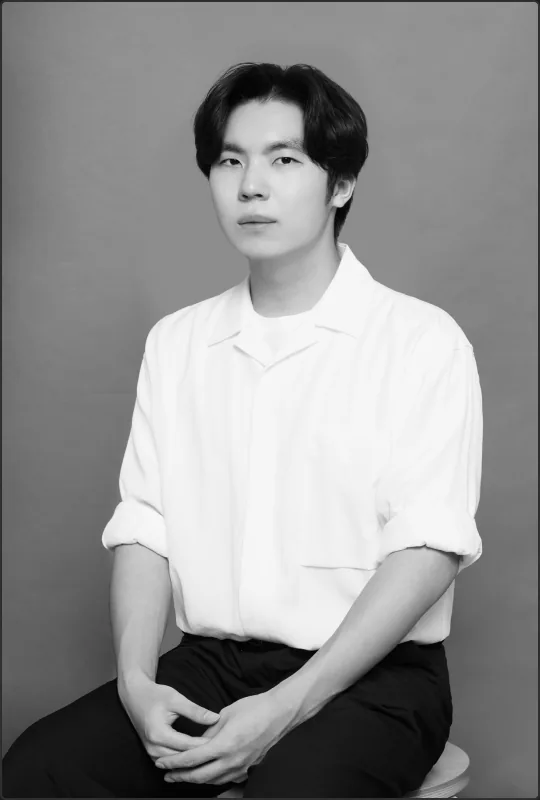

A multidisciplinary designer with a focus on UI/UX and service design. I specialize in user-centered thinking, visual communication, and structured design to create clear, effective experiences. By blending IA, strategy, and GUI design, I build solutions that are both engaging and easy to use.
Education
2024.08 – 2026.08
NAFA Singapore · University of the Arts London (UAL) bachelor's programme
UI/UX & communication design · transferred in, graduated
Experience
2025.08 – 2025.10
LFA Studio
Marketing team intern · support
Skills
- Research
- User Research
- In Depth Interviews
- Academic Literature Review
- Insight Synthesis
- Usability Testing
- Service and UX
- Journey Mapping
- Service Blueprint
- Information Architecture
- Prototyping
- Figma
- Adobe Creative Cloud
- Product and AI
- AI Workflow Design
- Interview Coding
- Design Decision Traceability
- ChatGPT
- Claude
- Perplexity
Selected Work
-
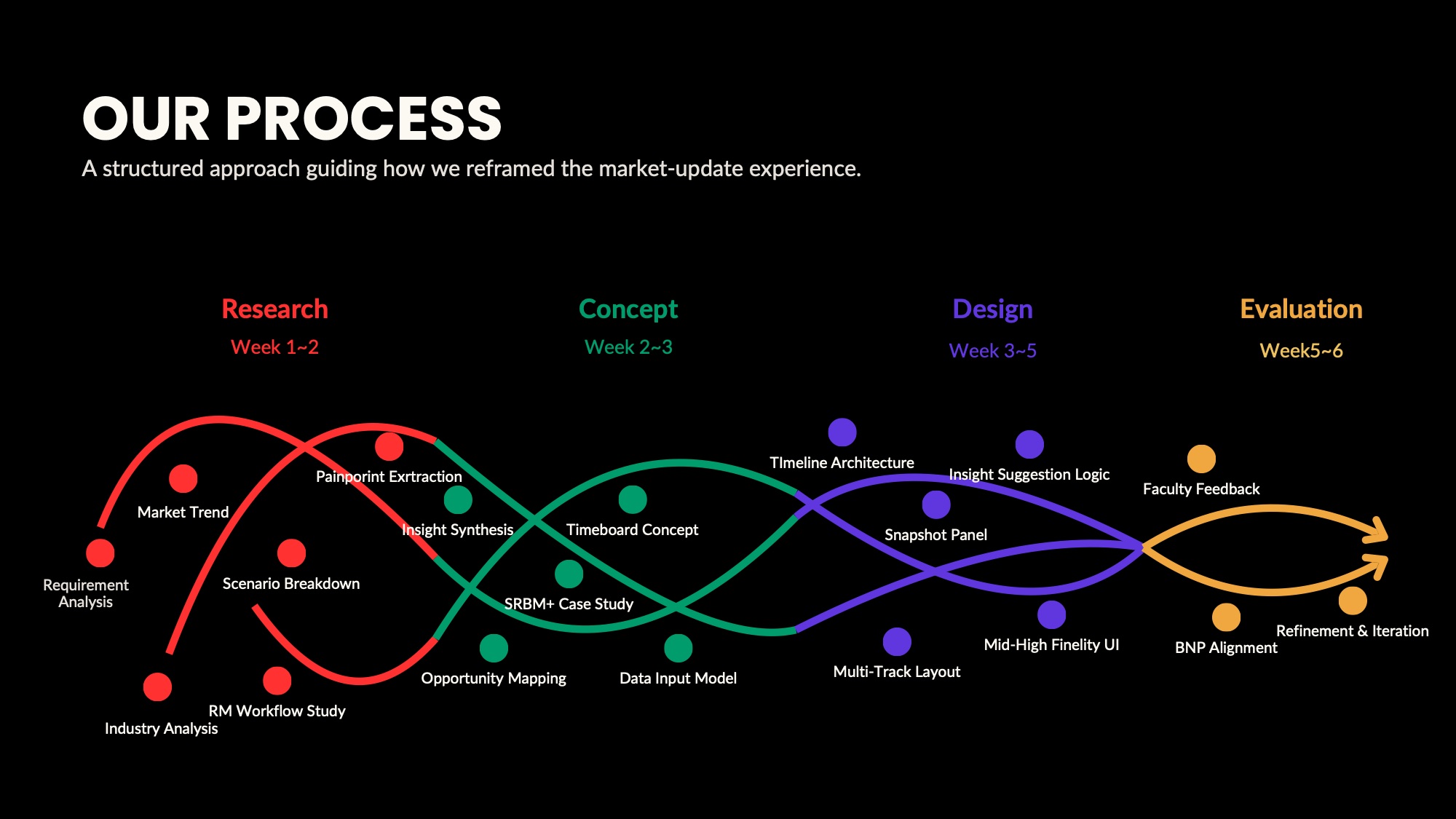
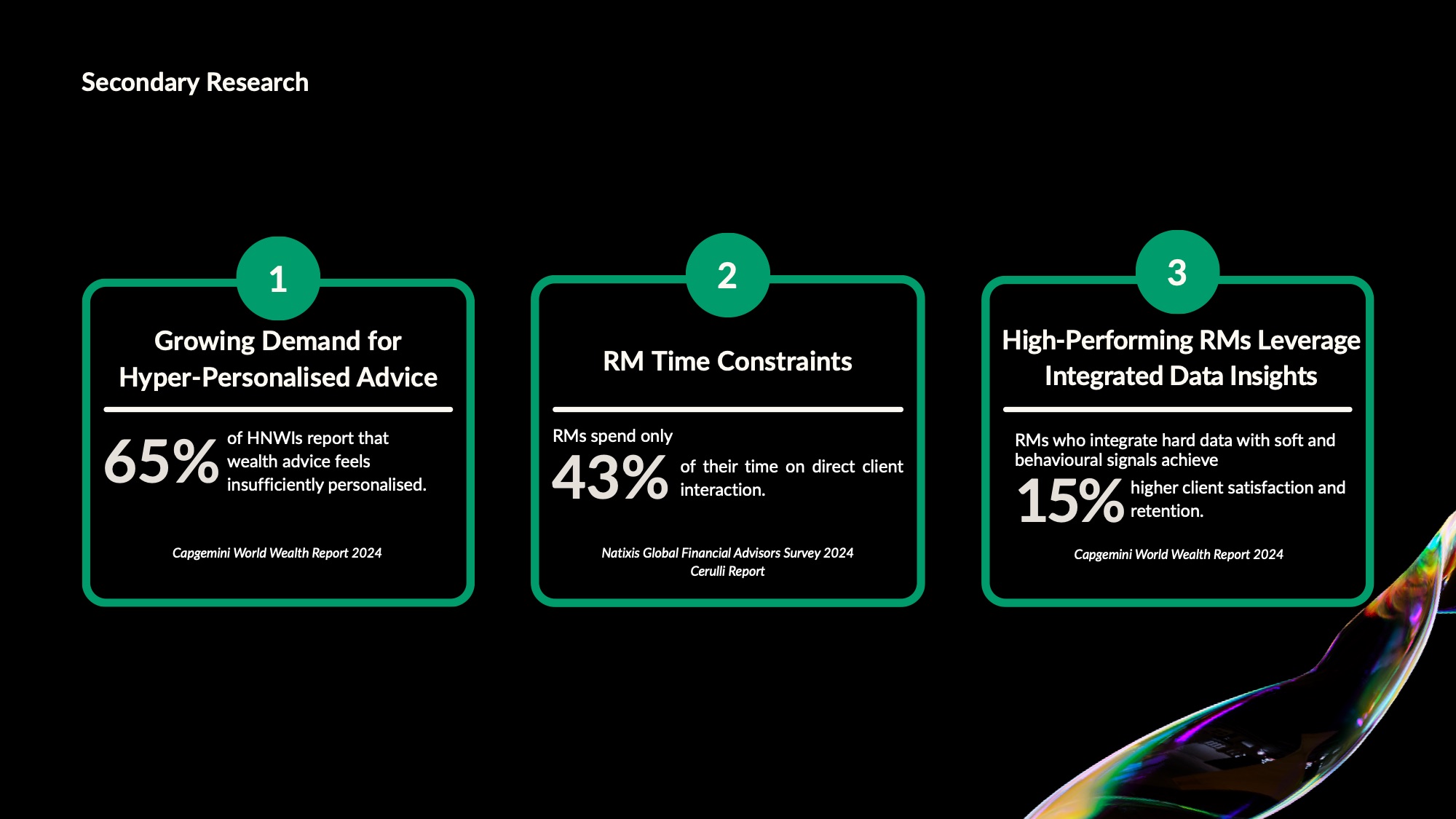
2025 · University–industry project with BNP Paribas
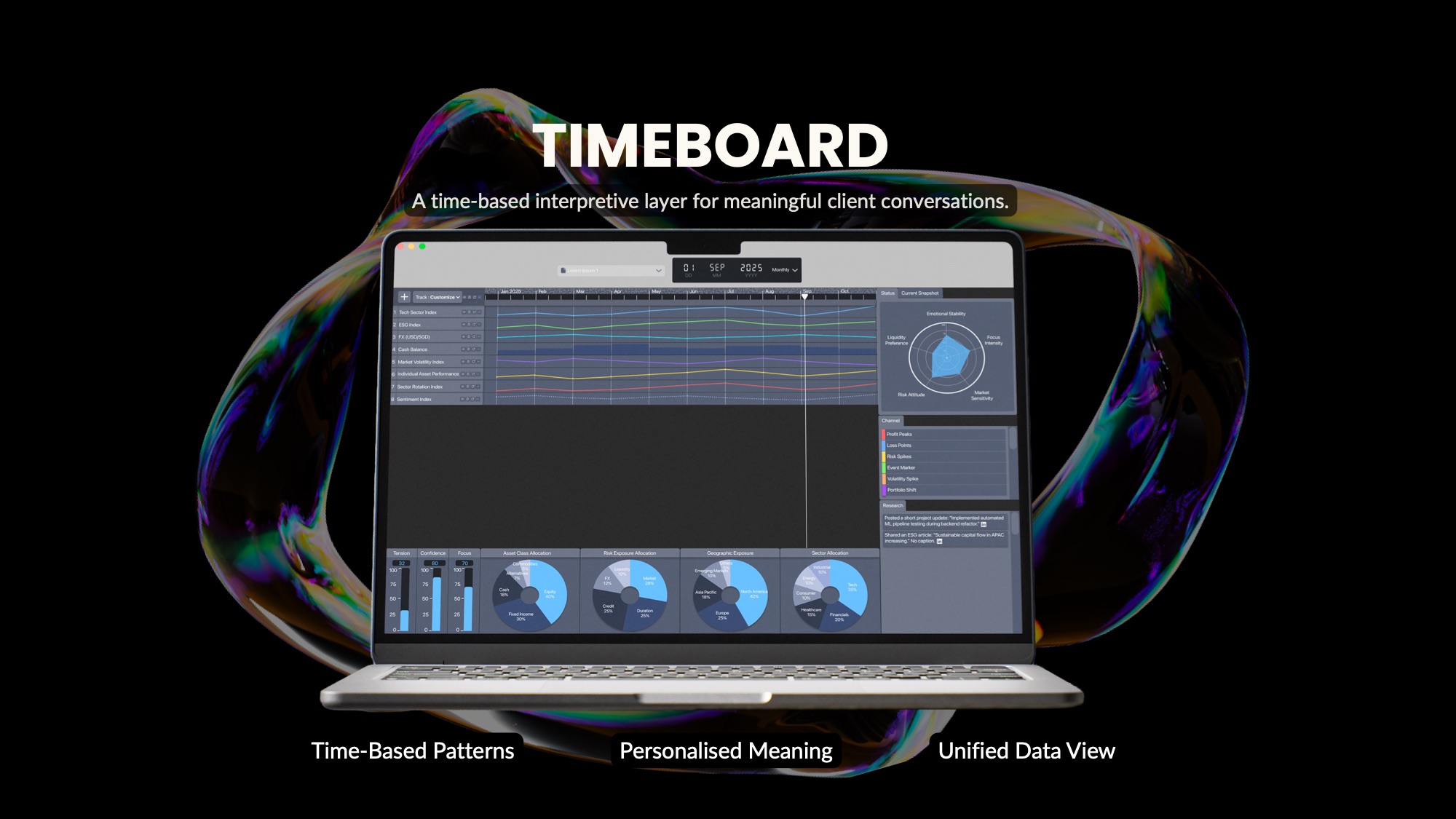
Timeboard
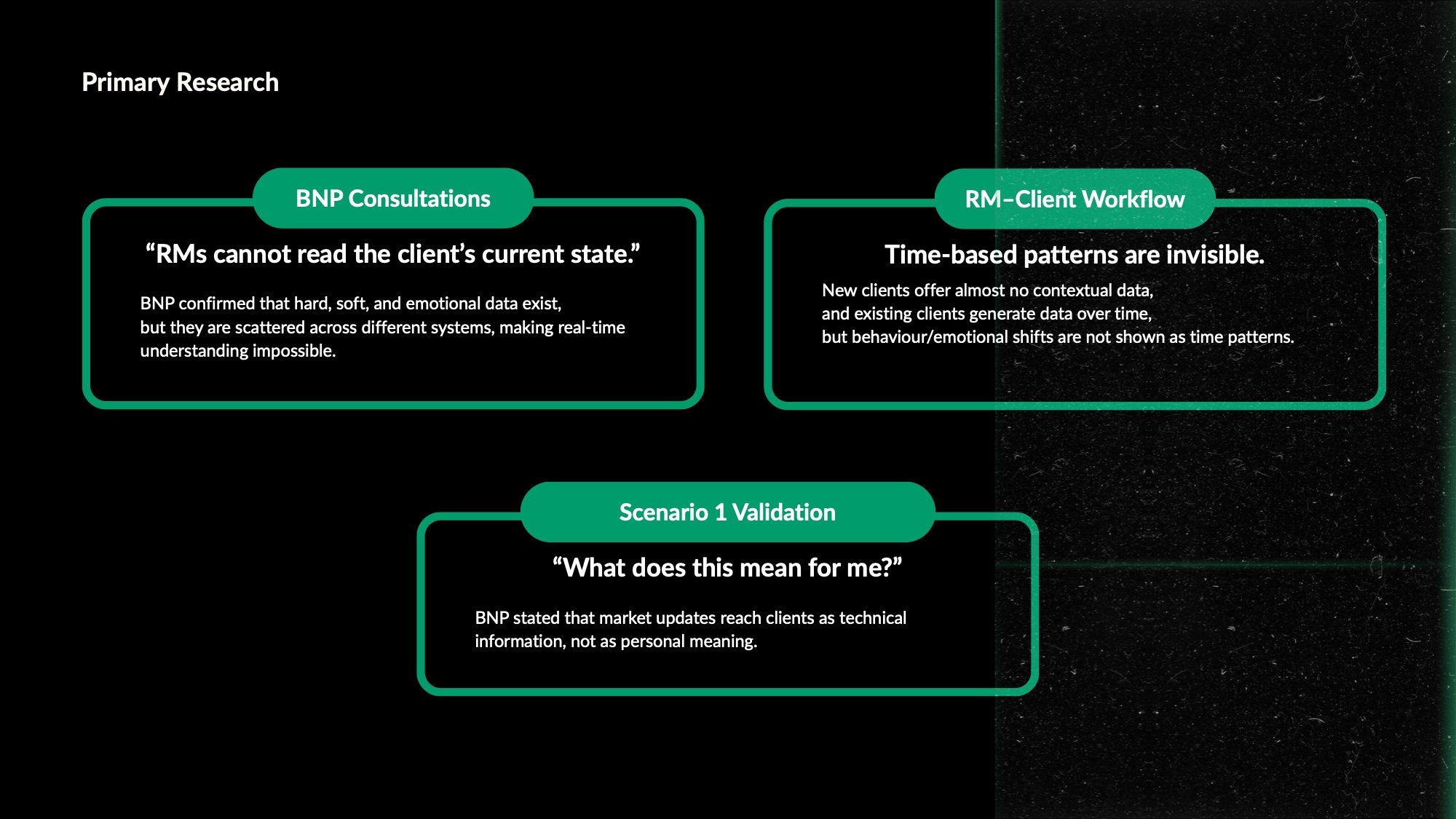
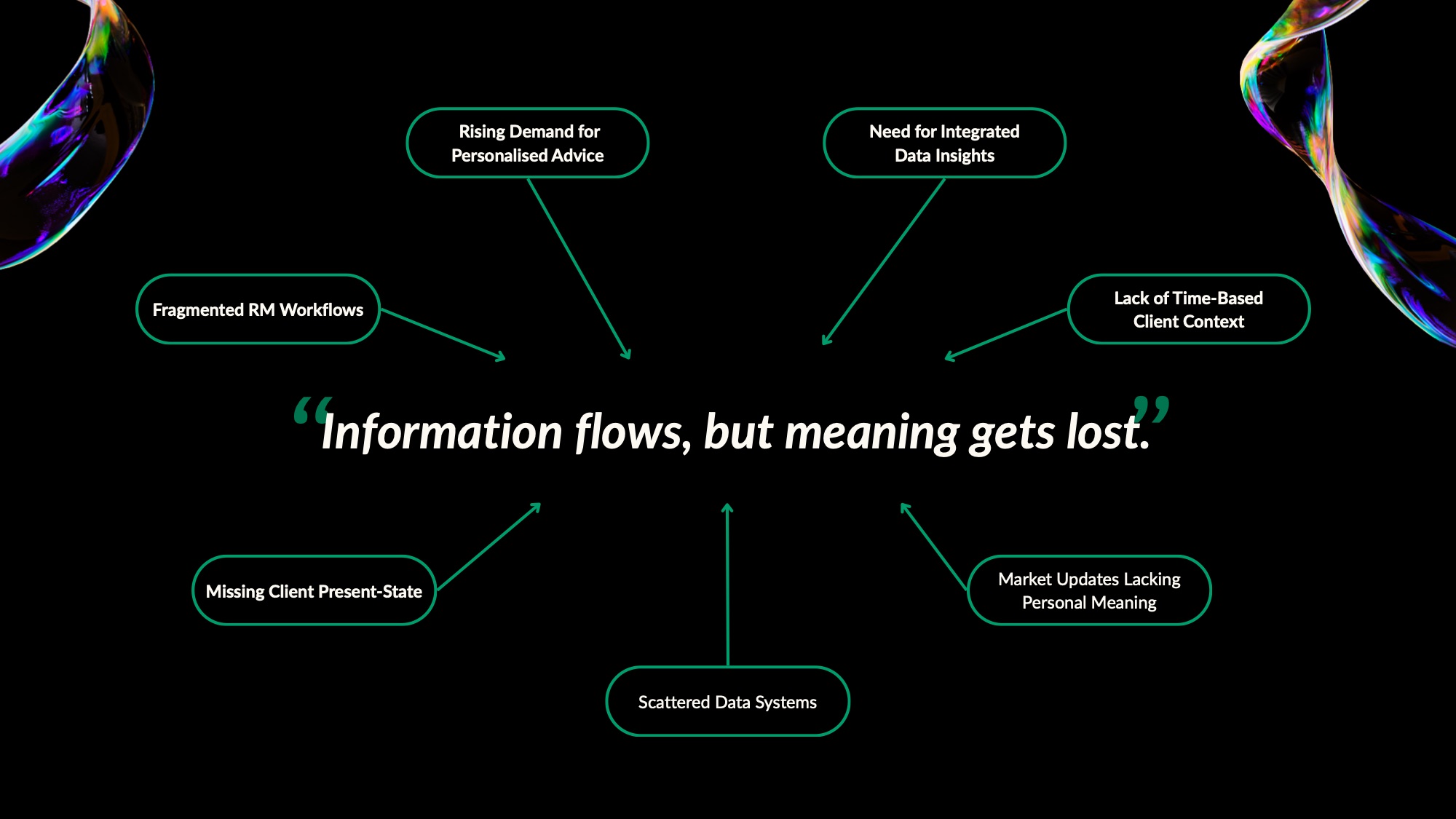
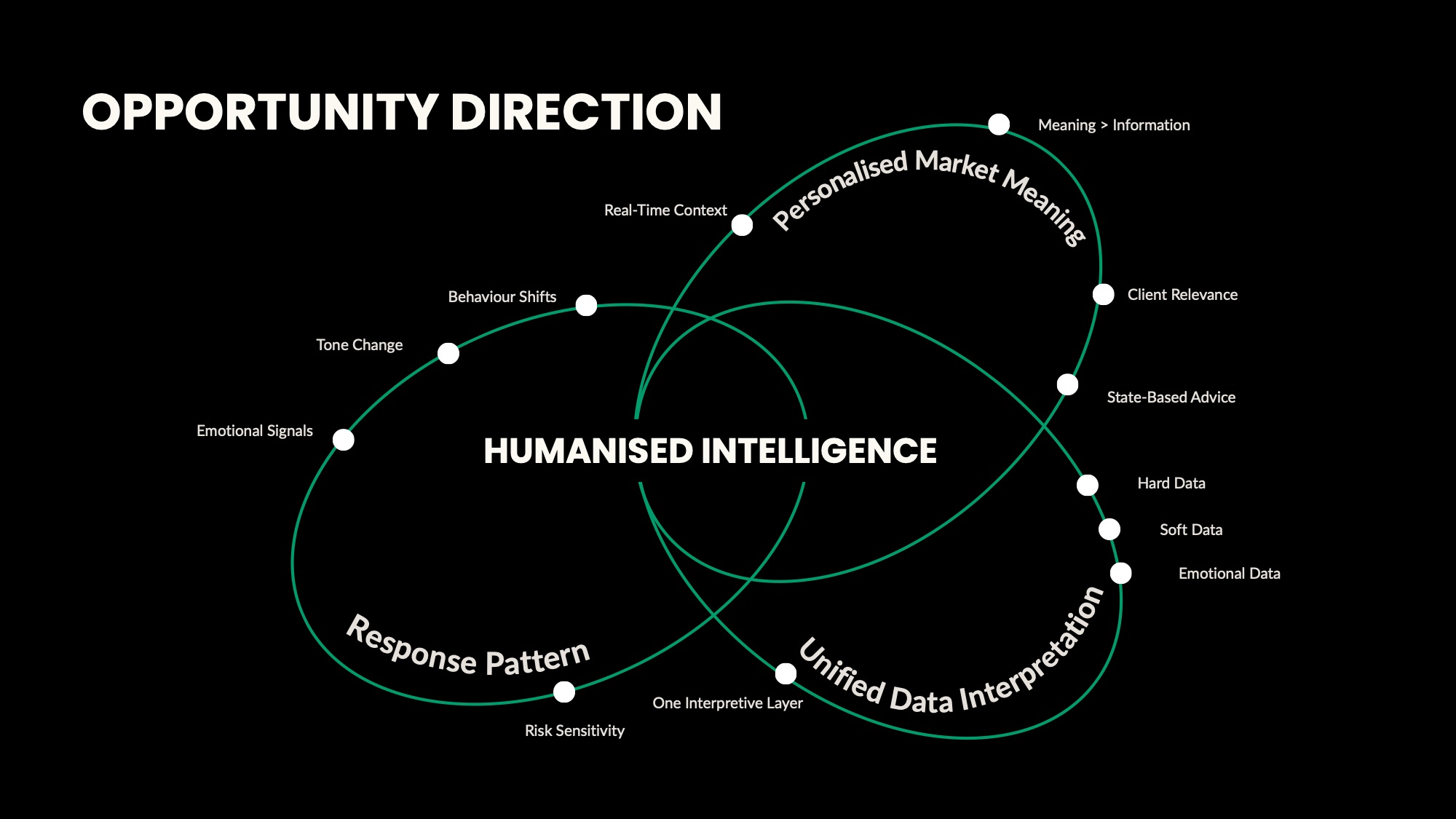
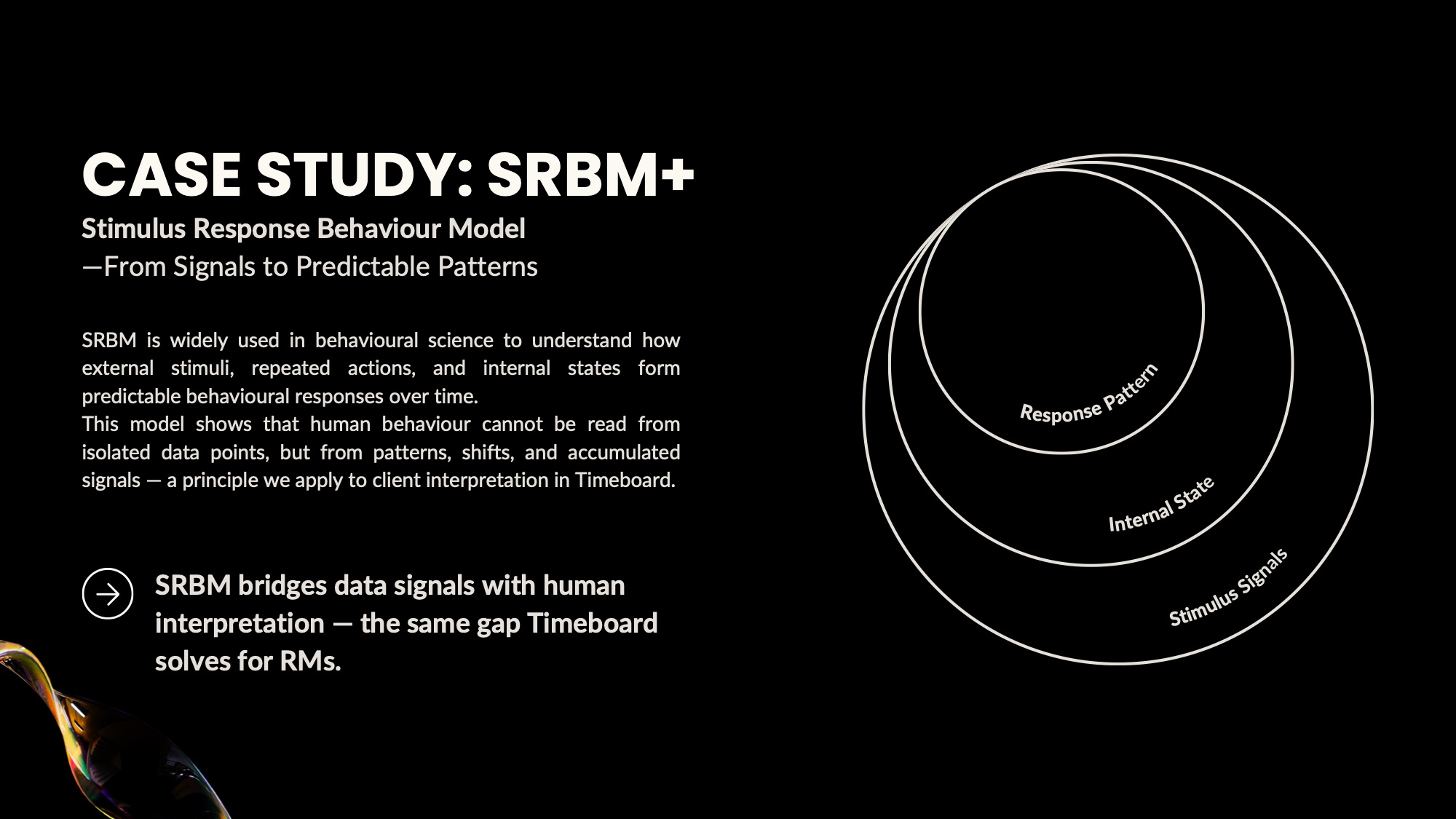
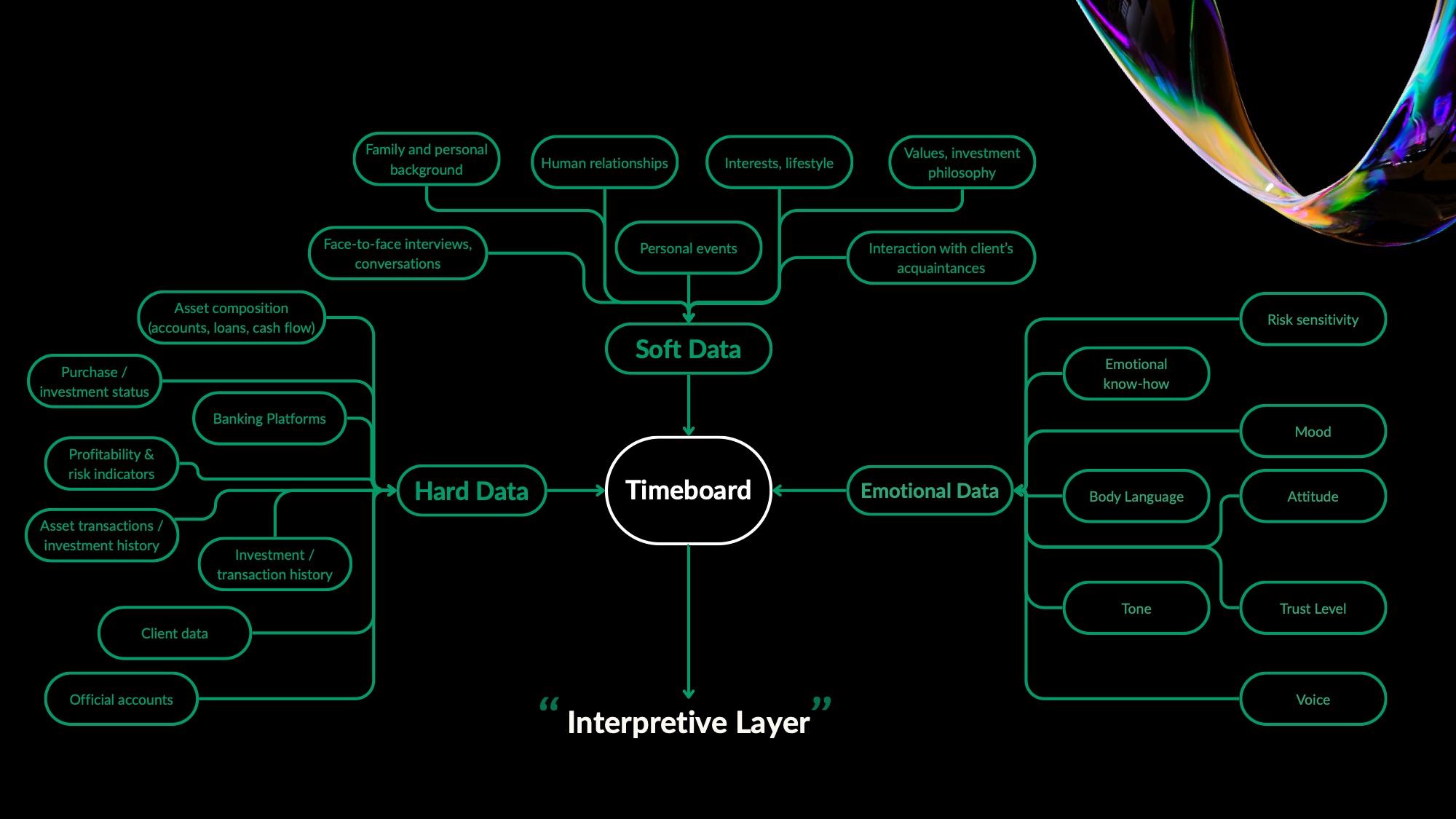
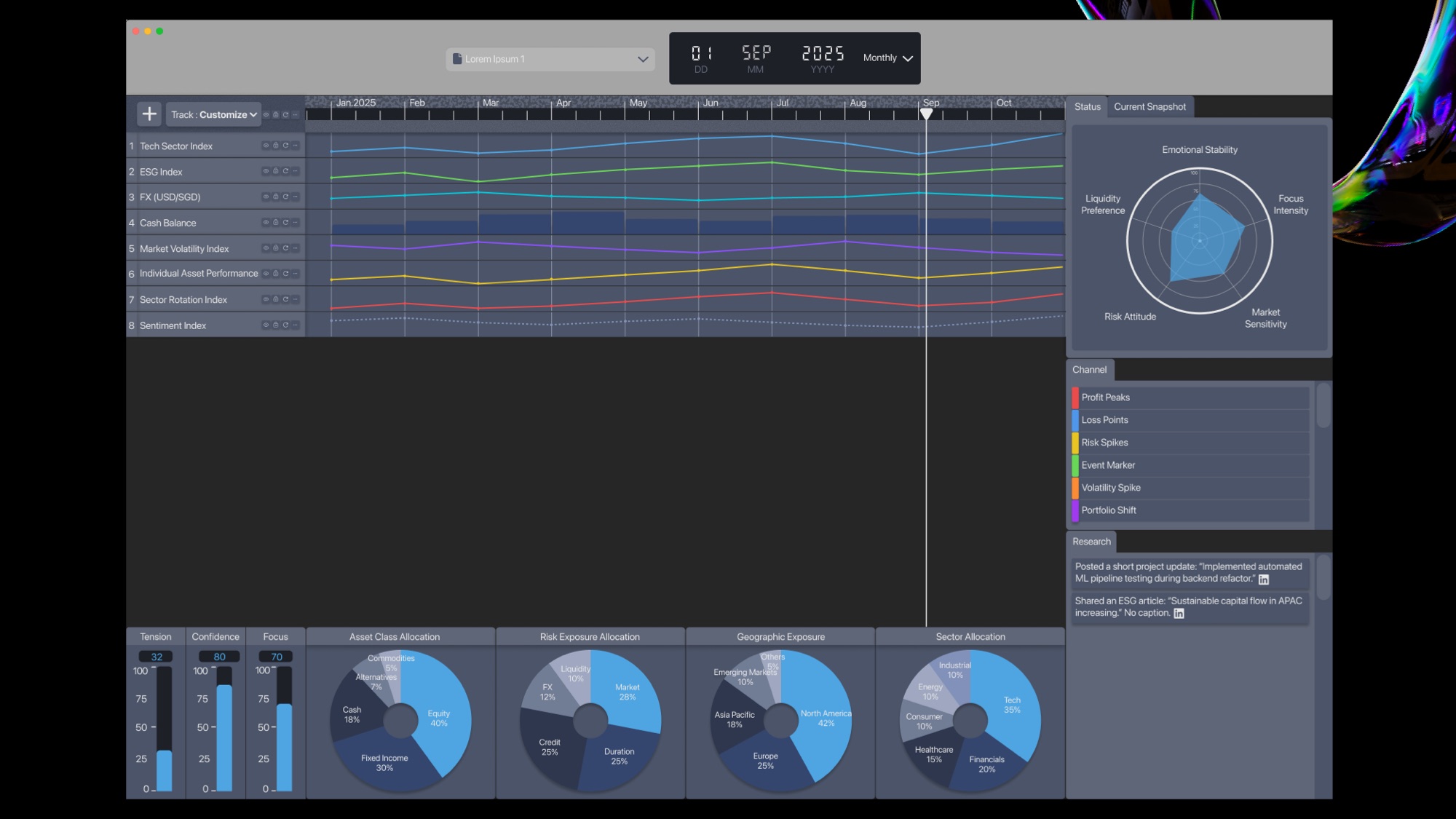
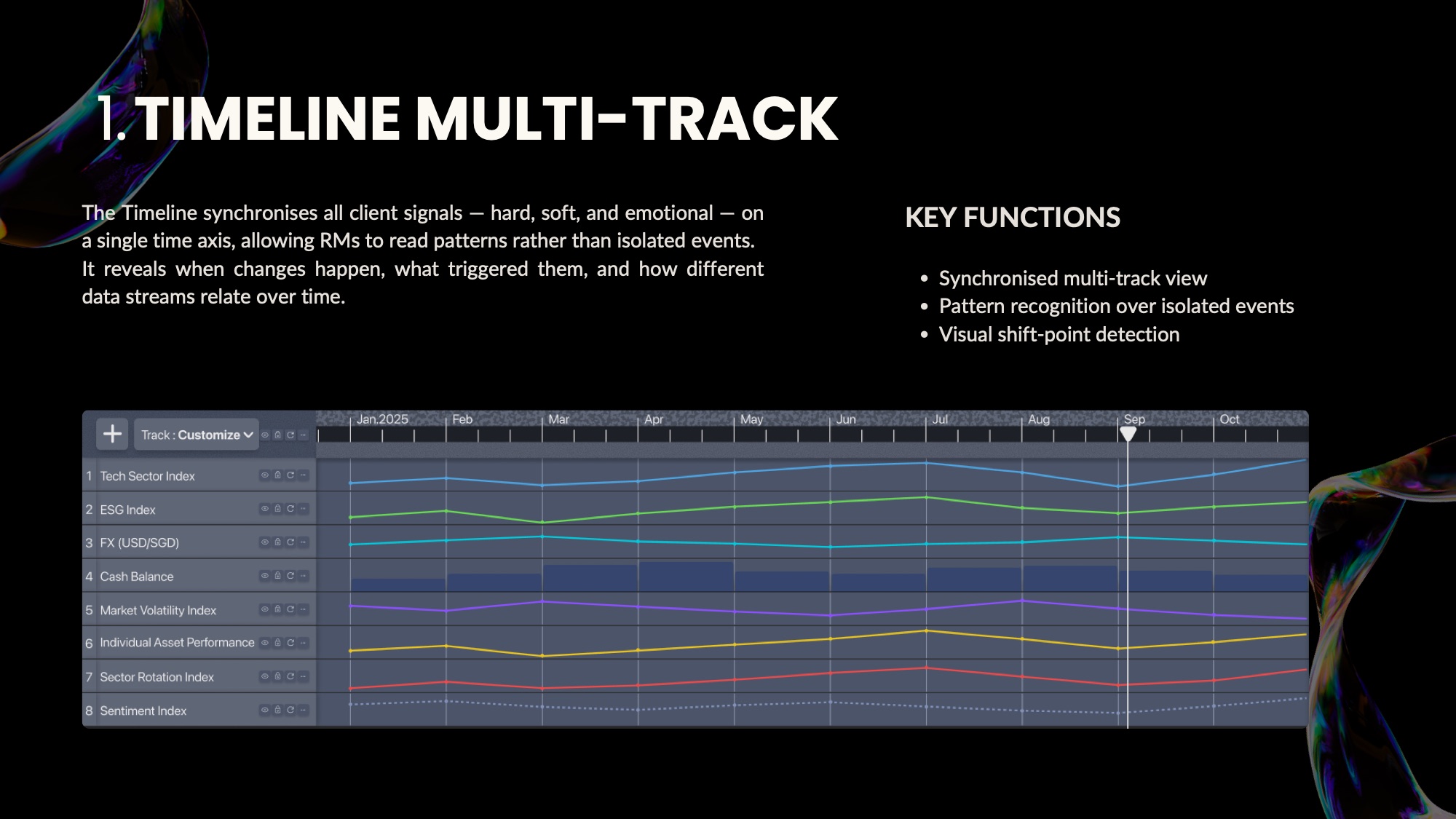
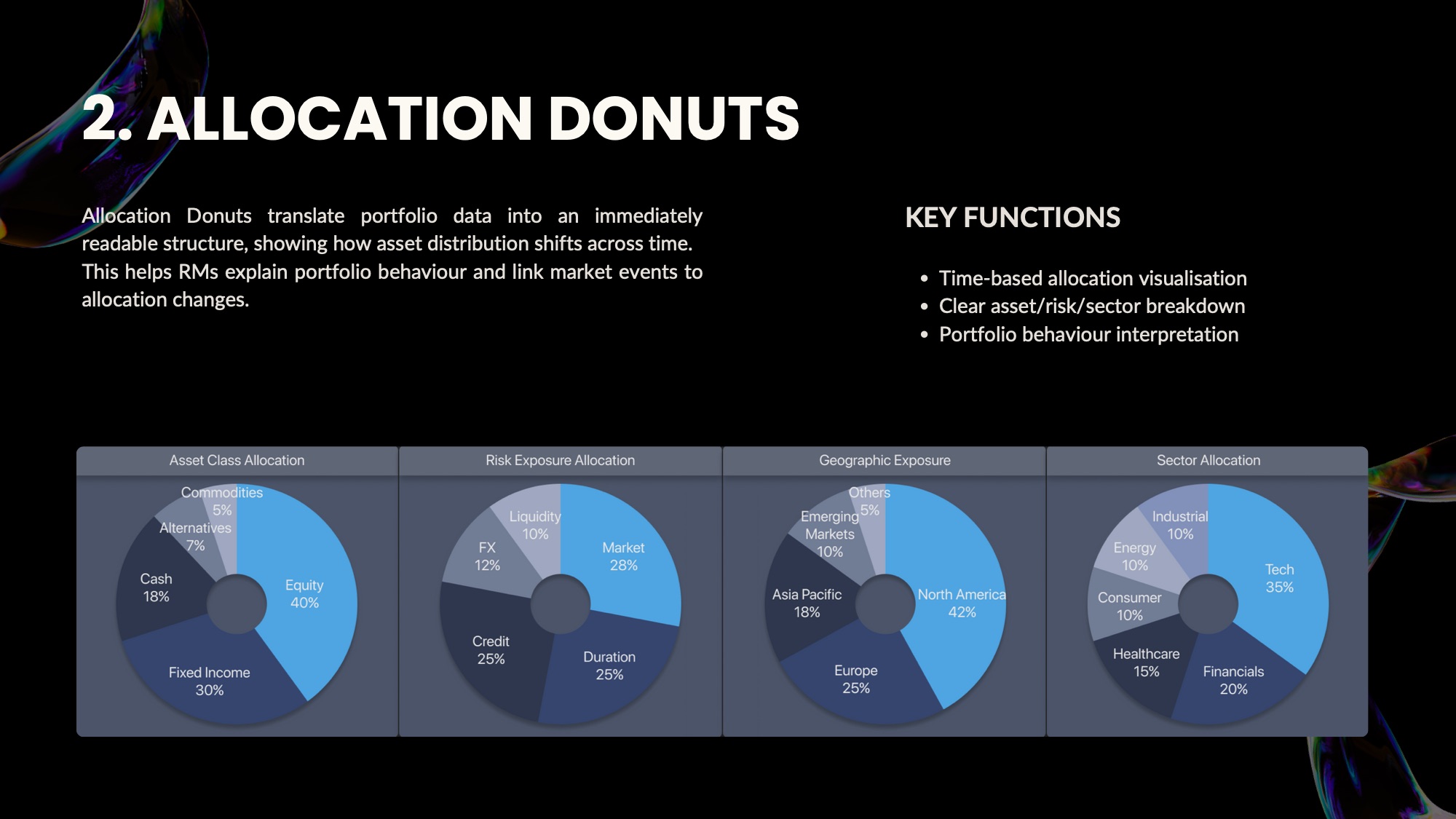
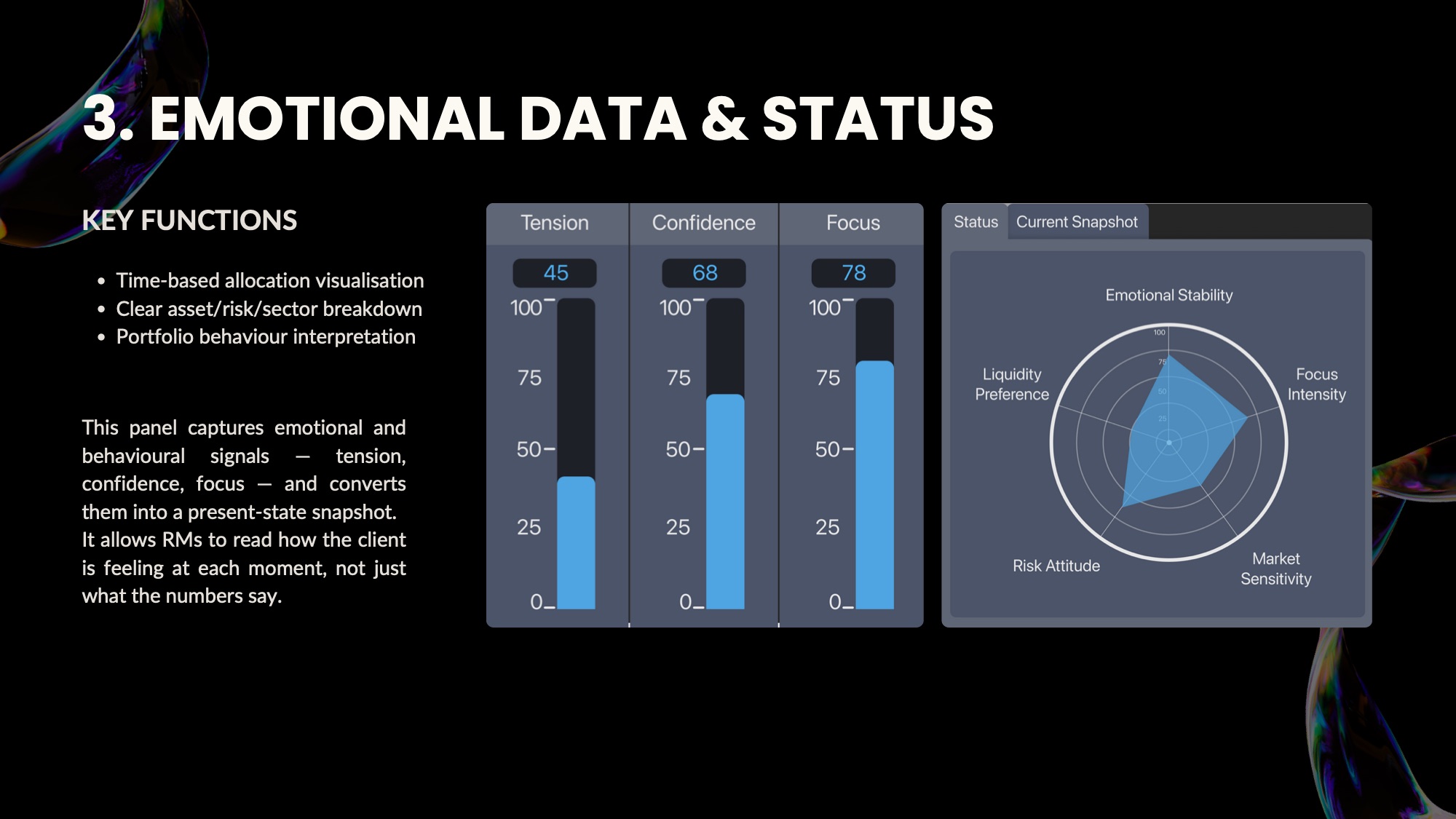
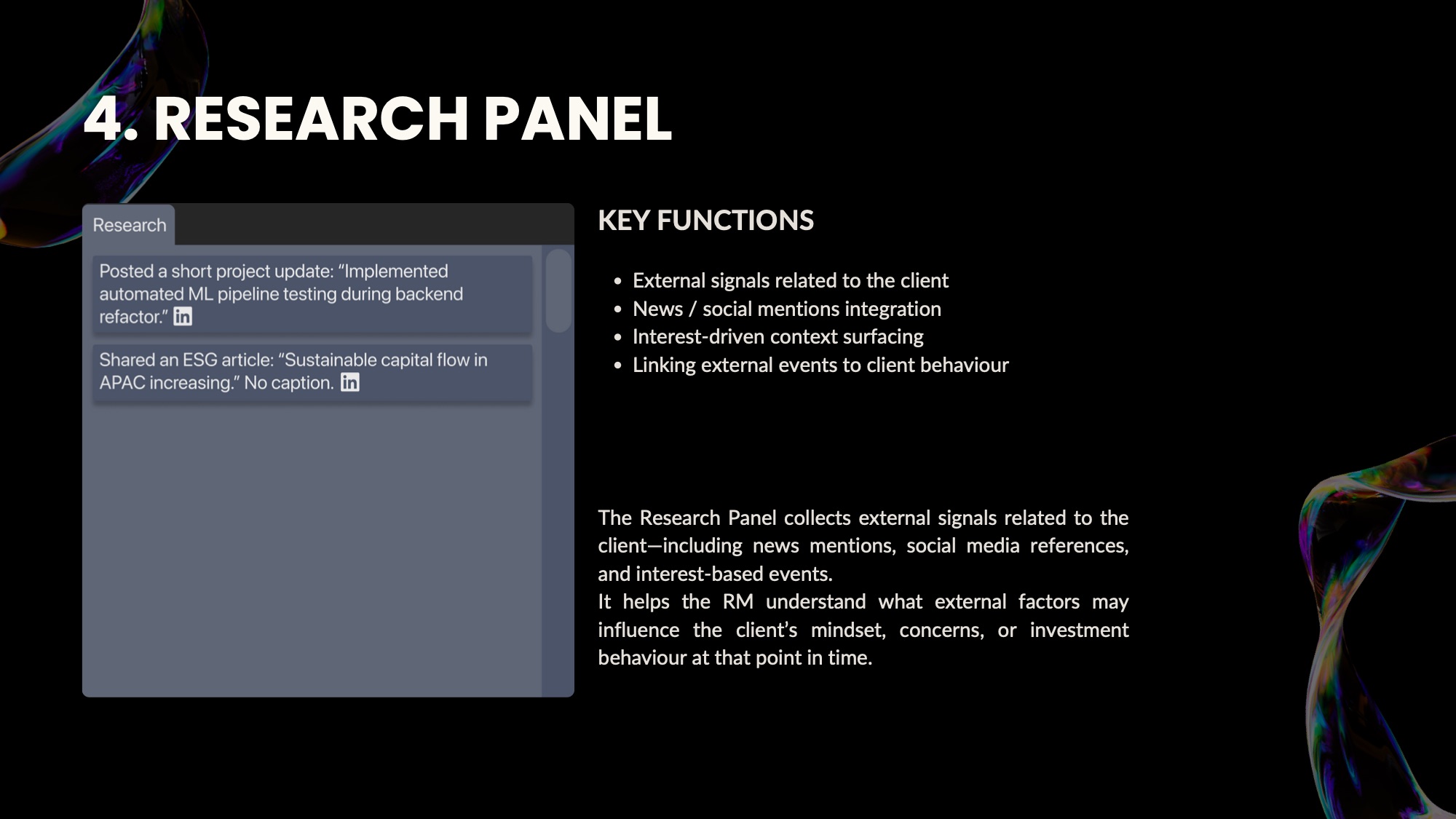
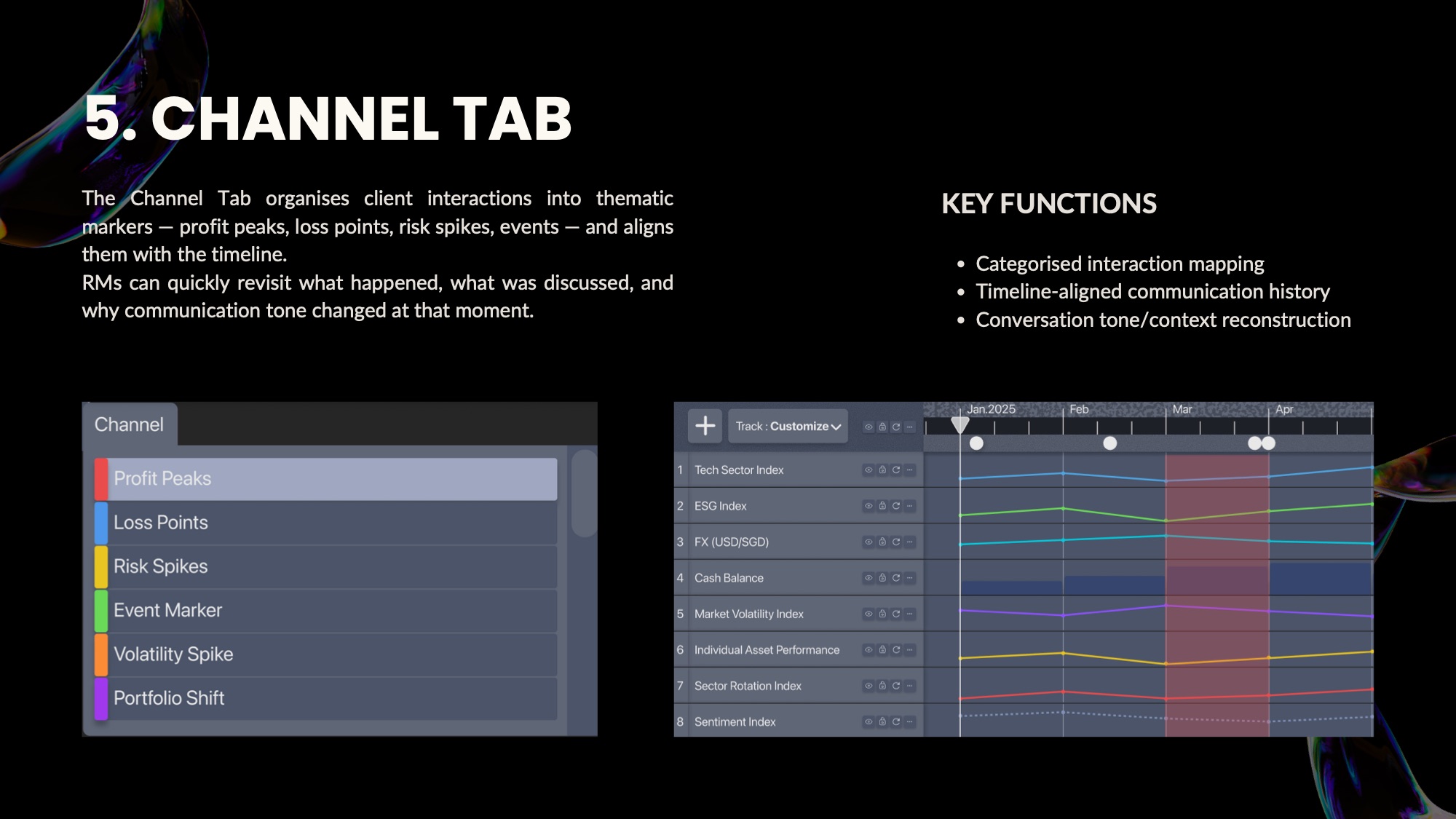
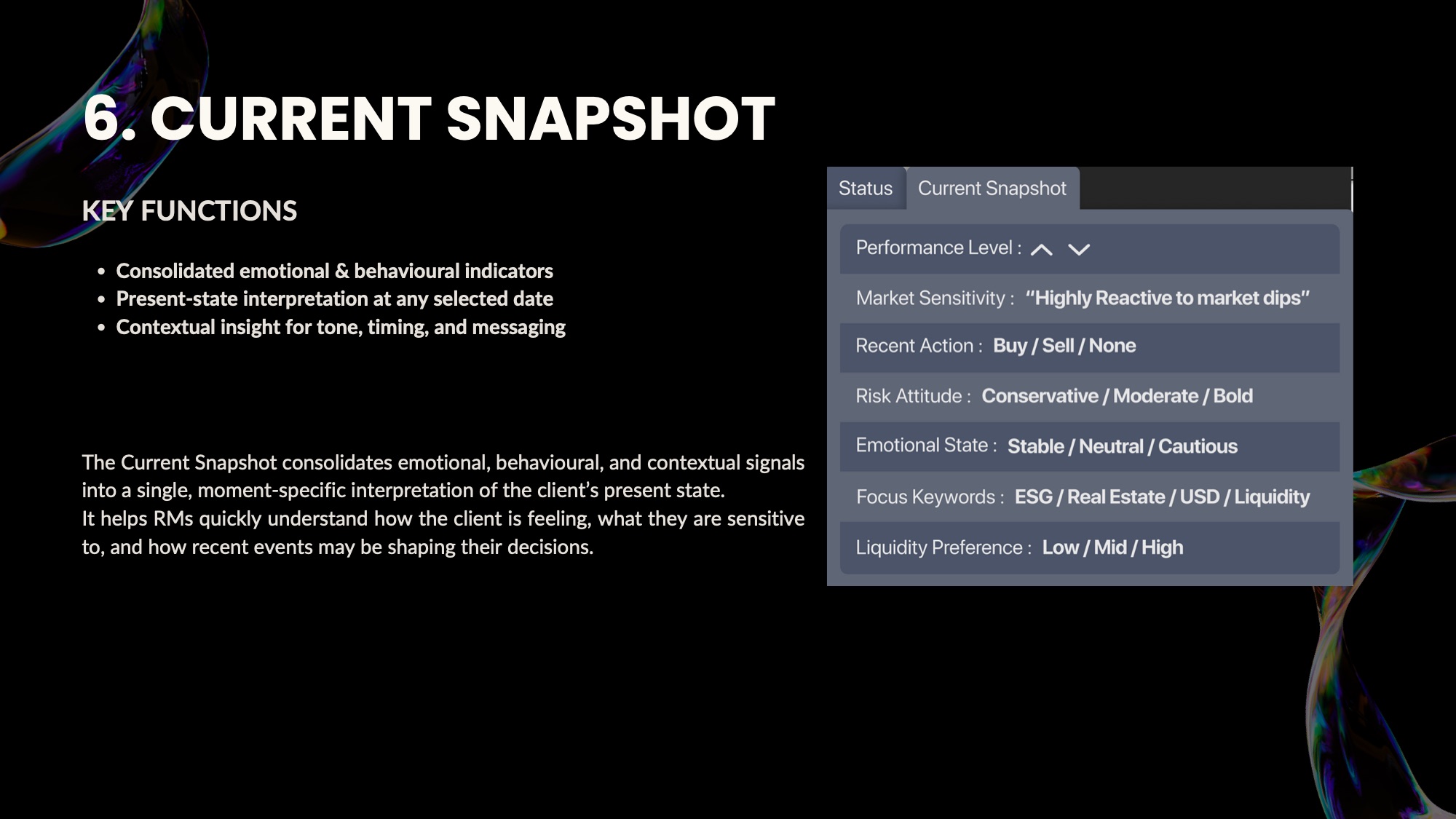
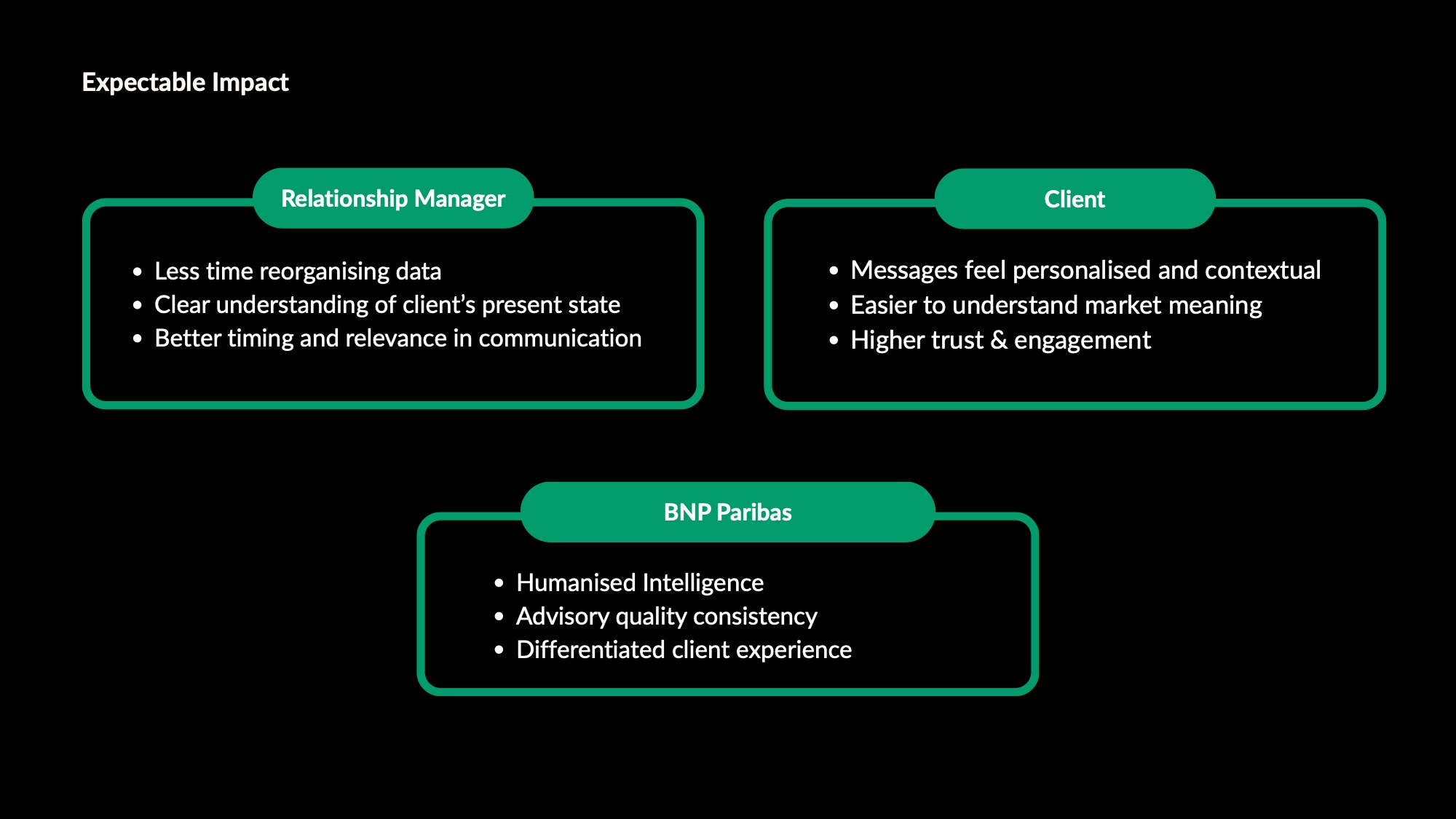
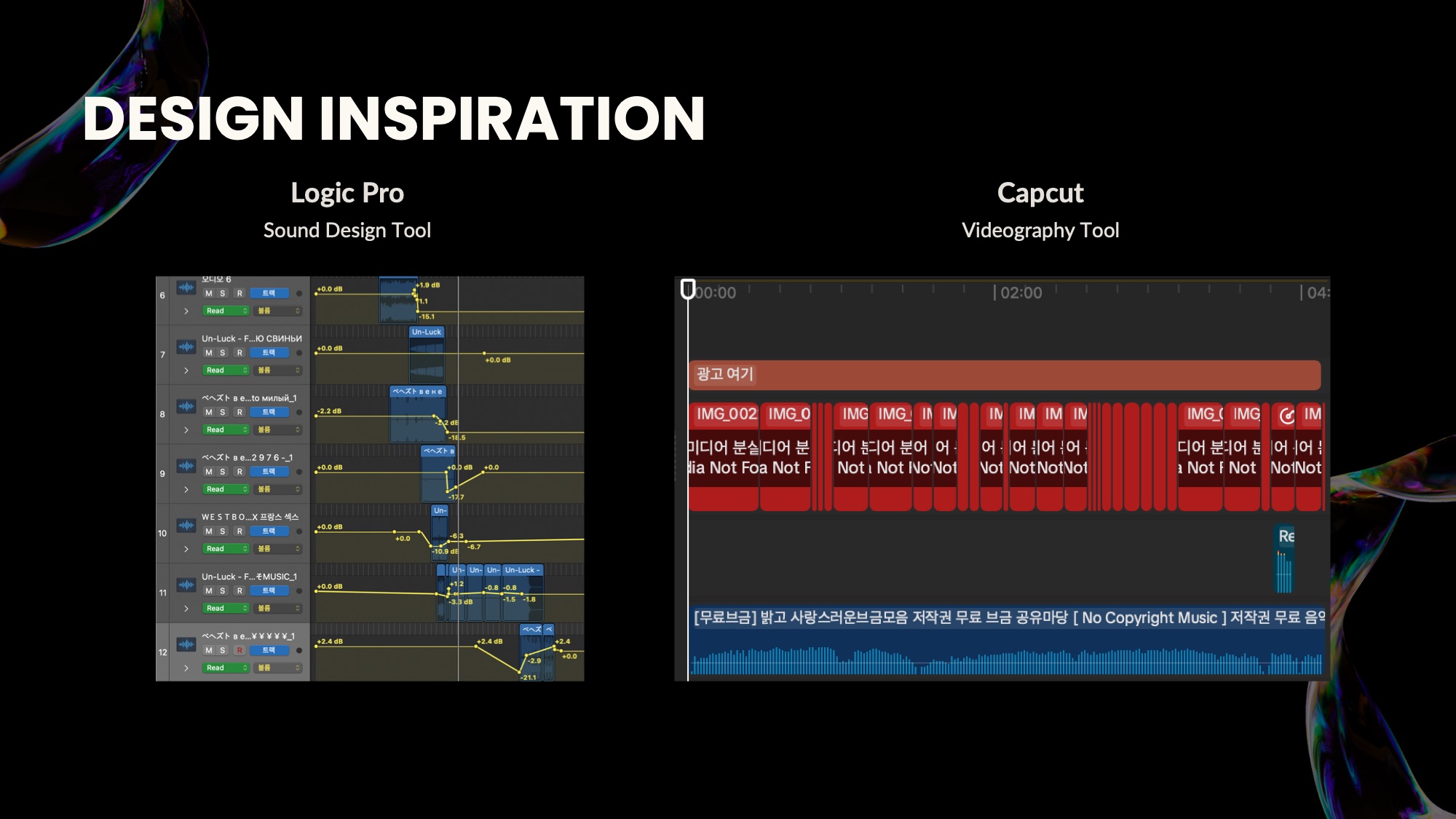
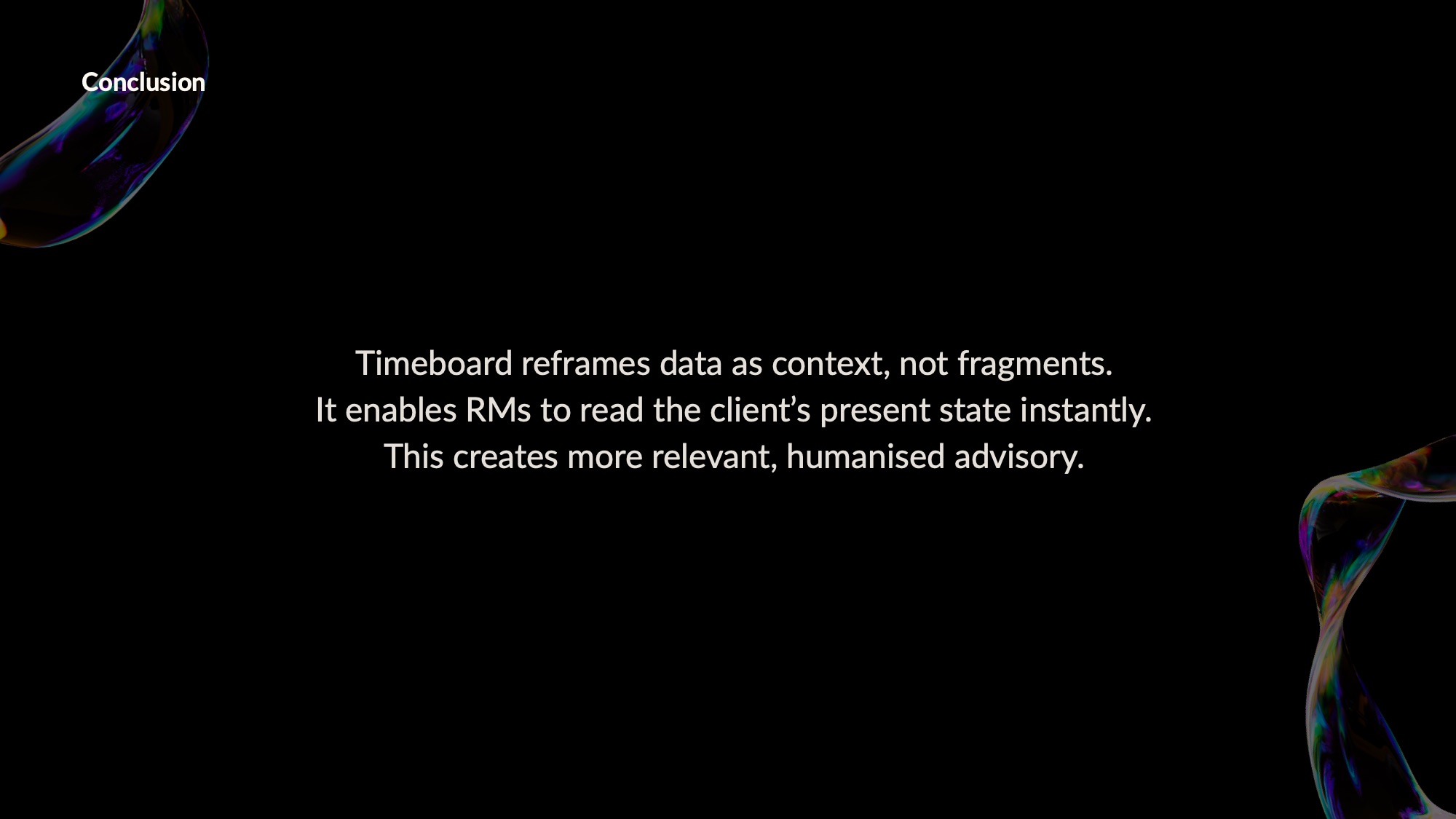
A decision dashboard for relationship managers (RMs) that puts transactions, client sentiment and consultation notes on one timeline.
-
2026 · Personal project
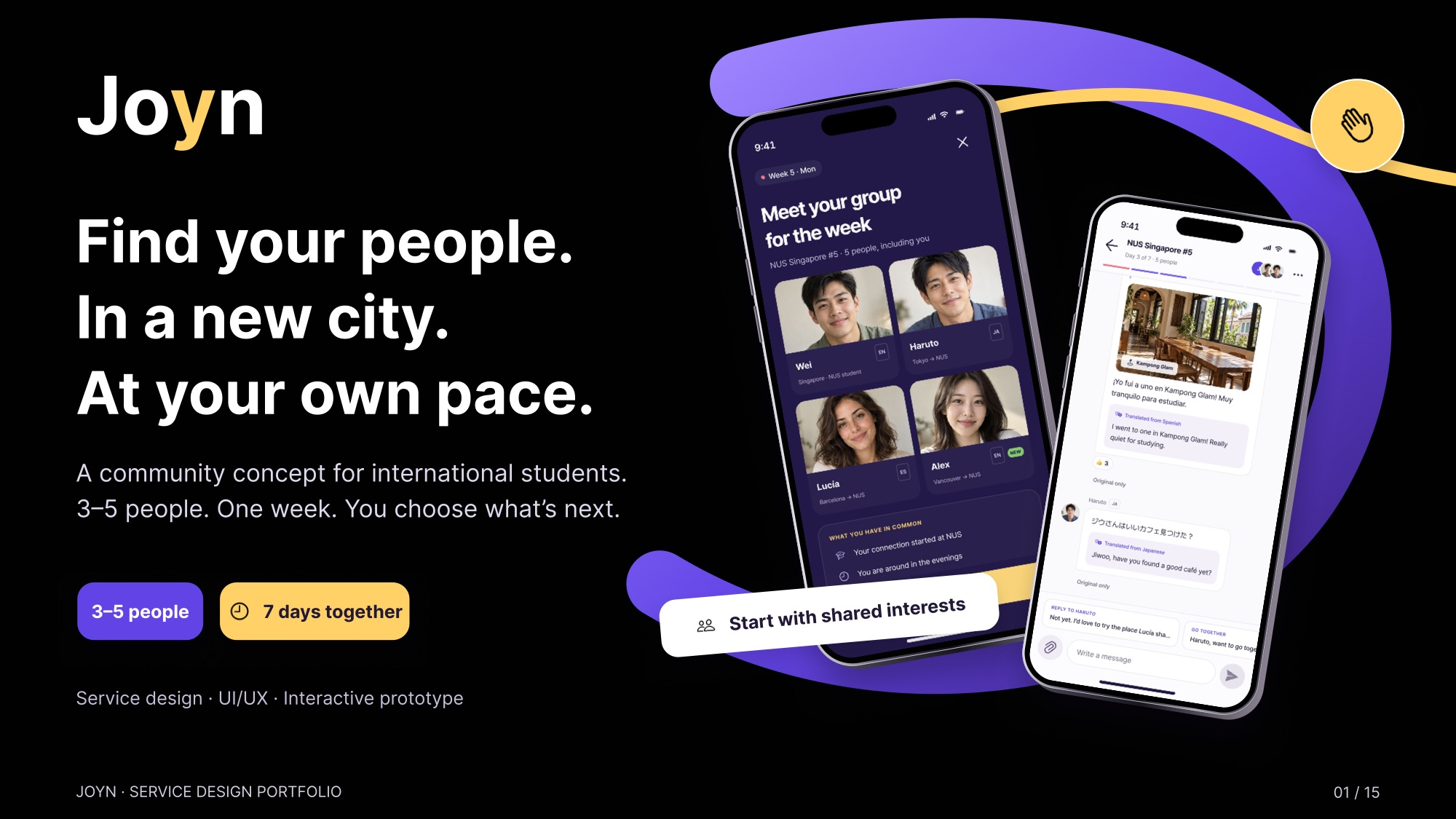
Joyn
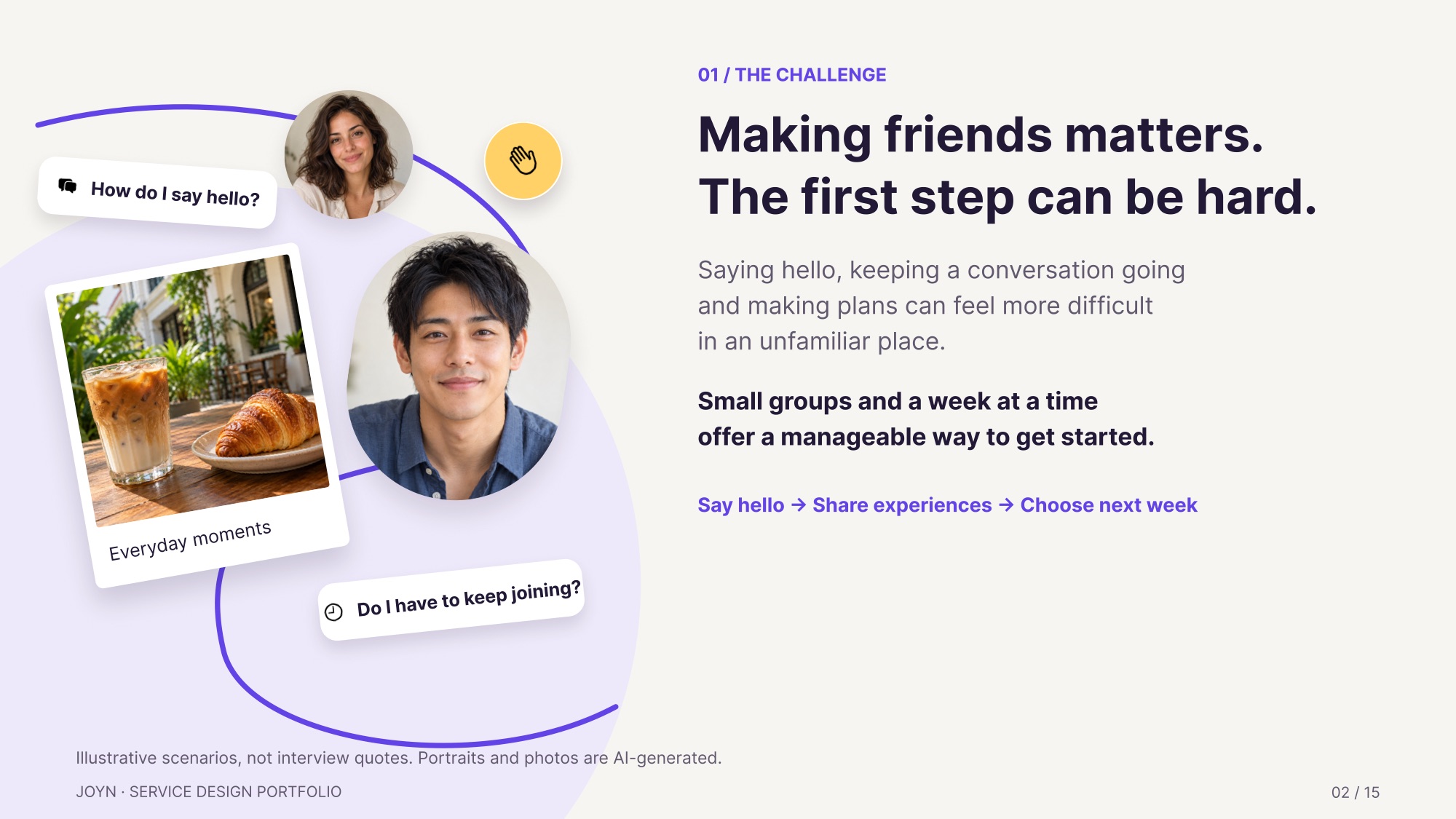
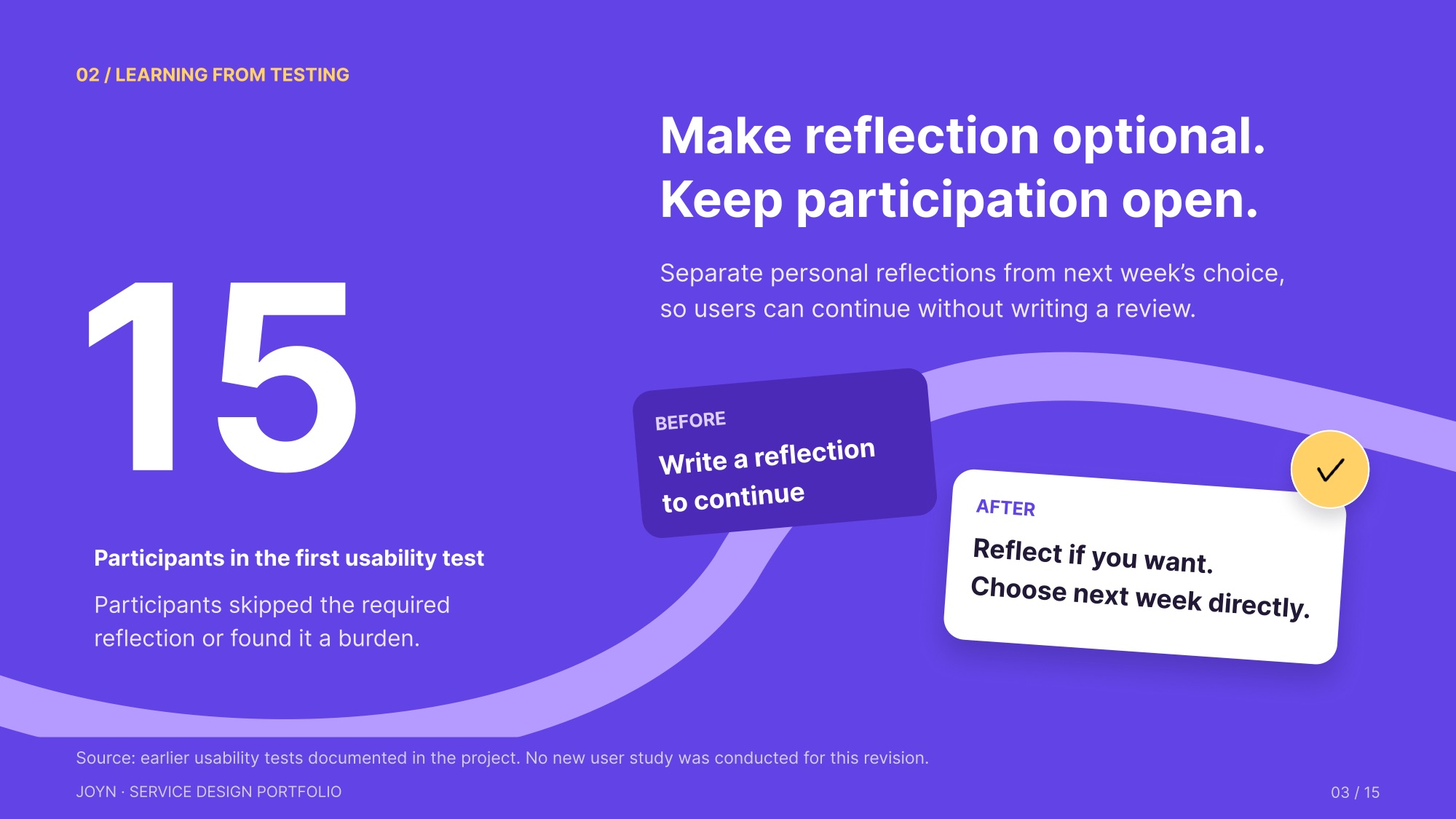
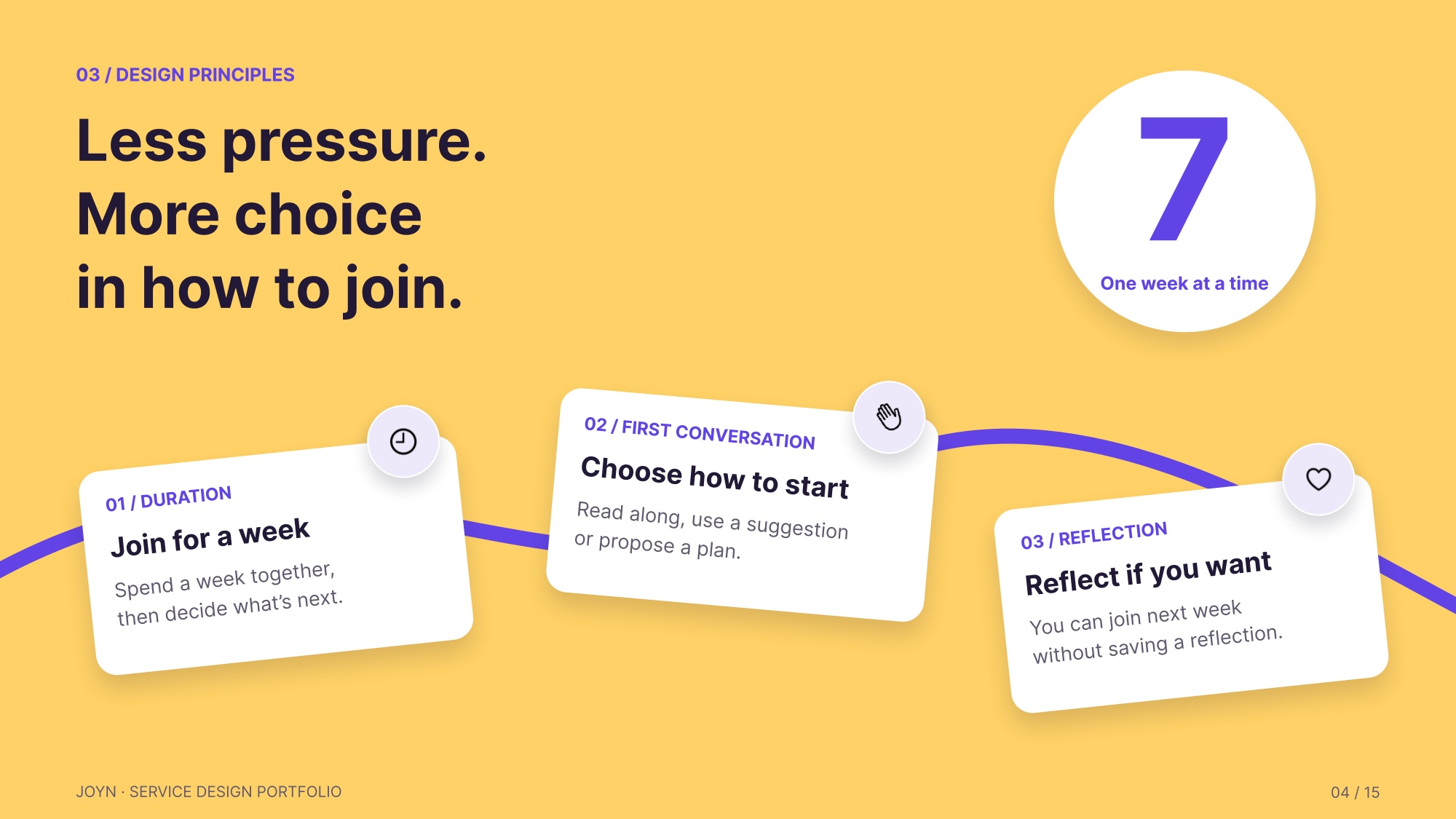
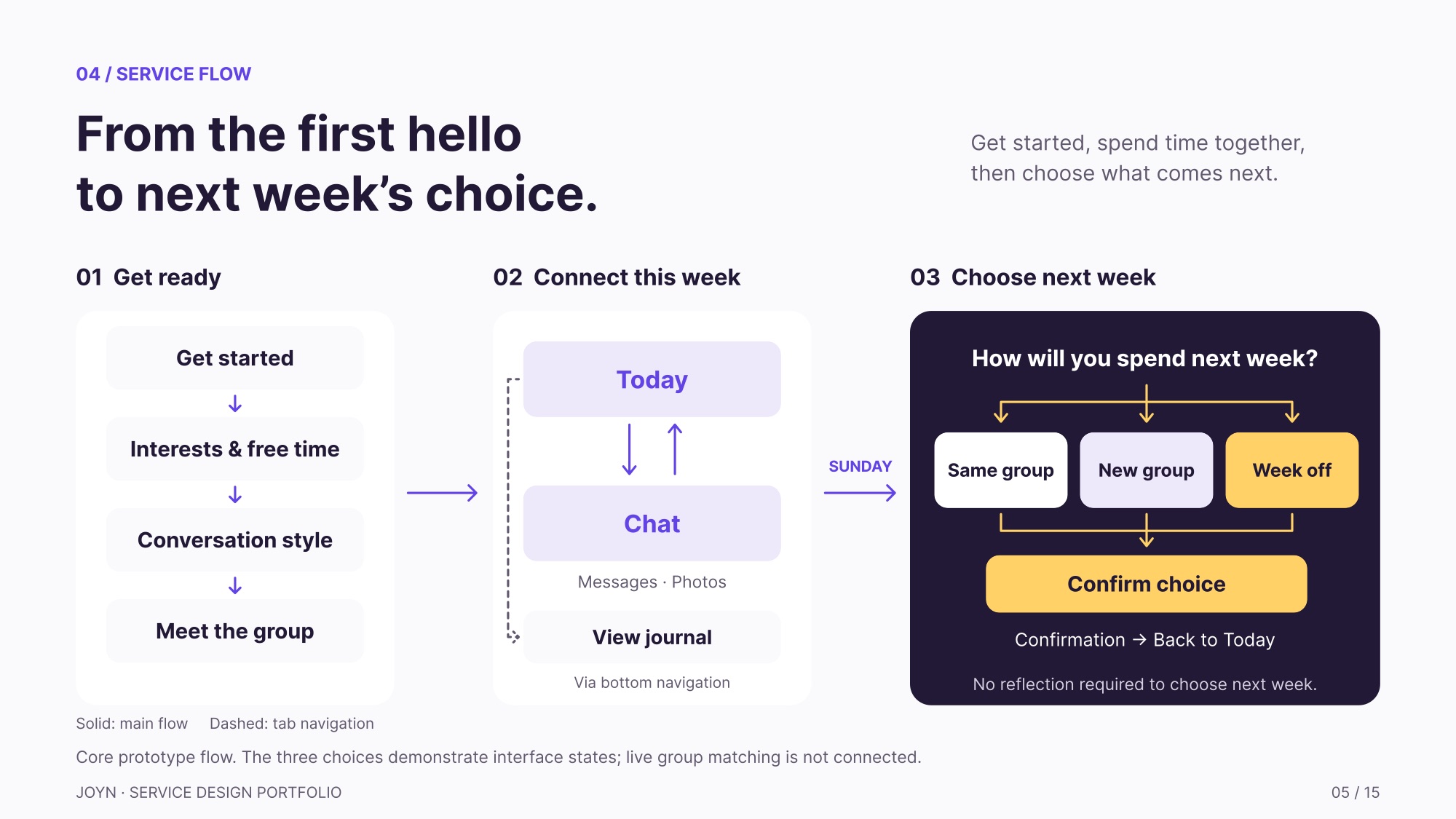
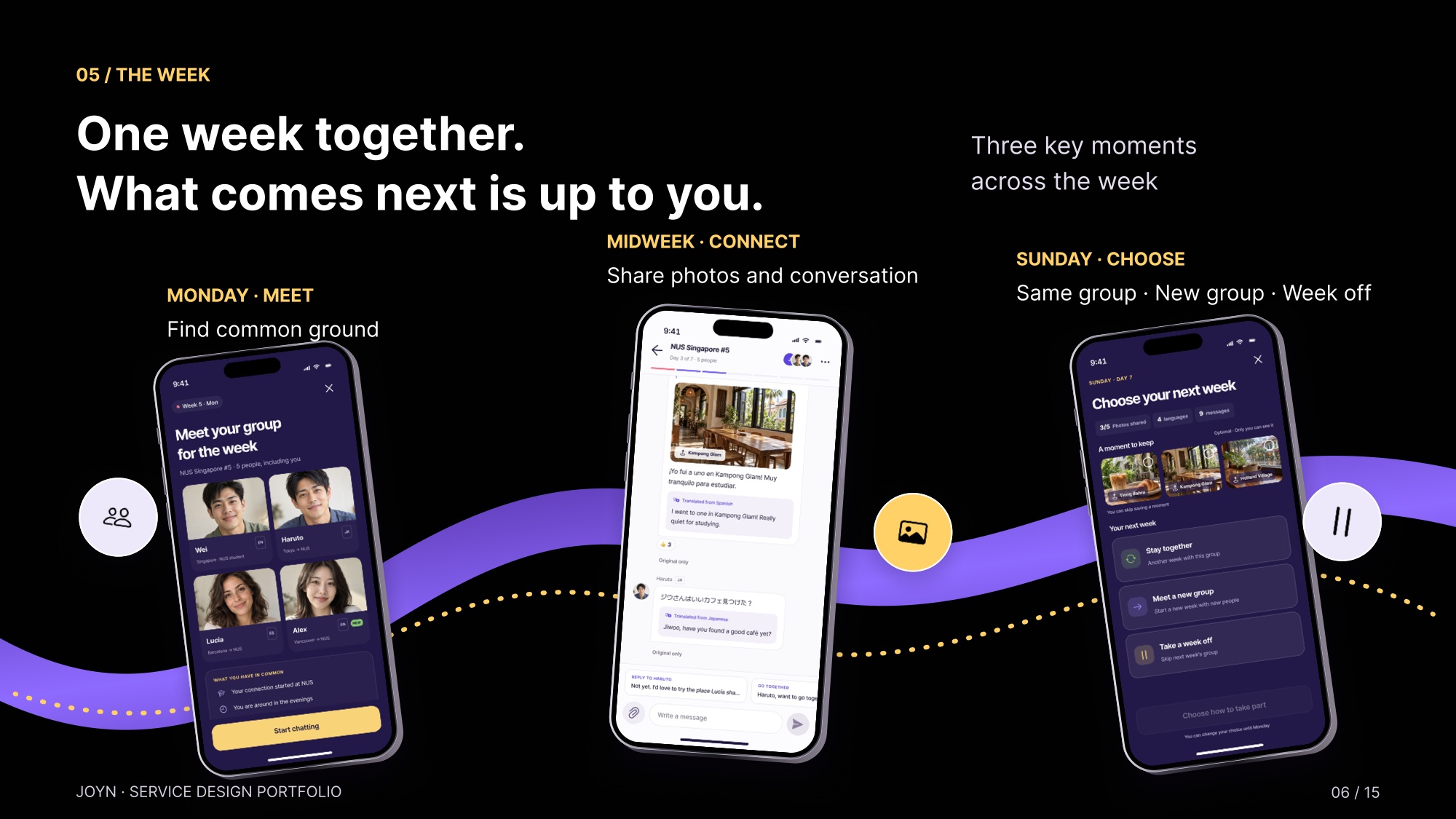
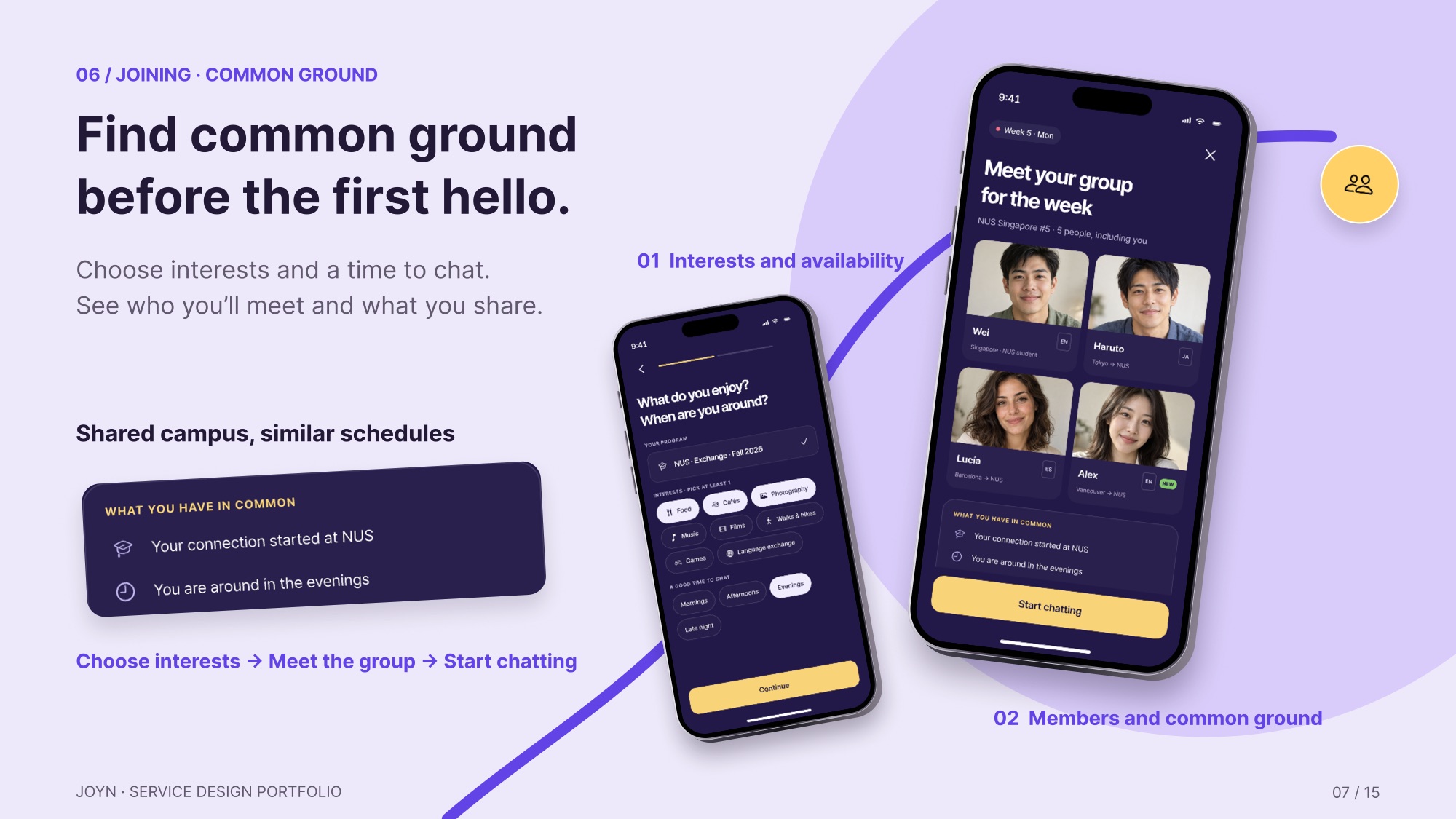
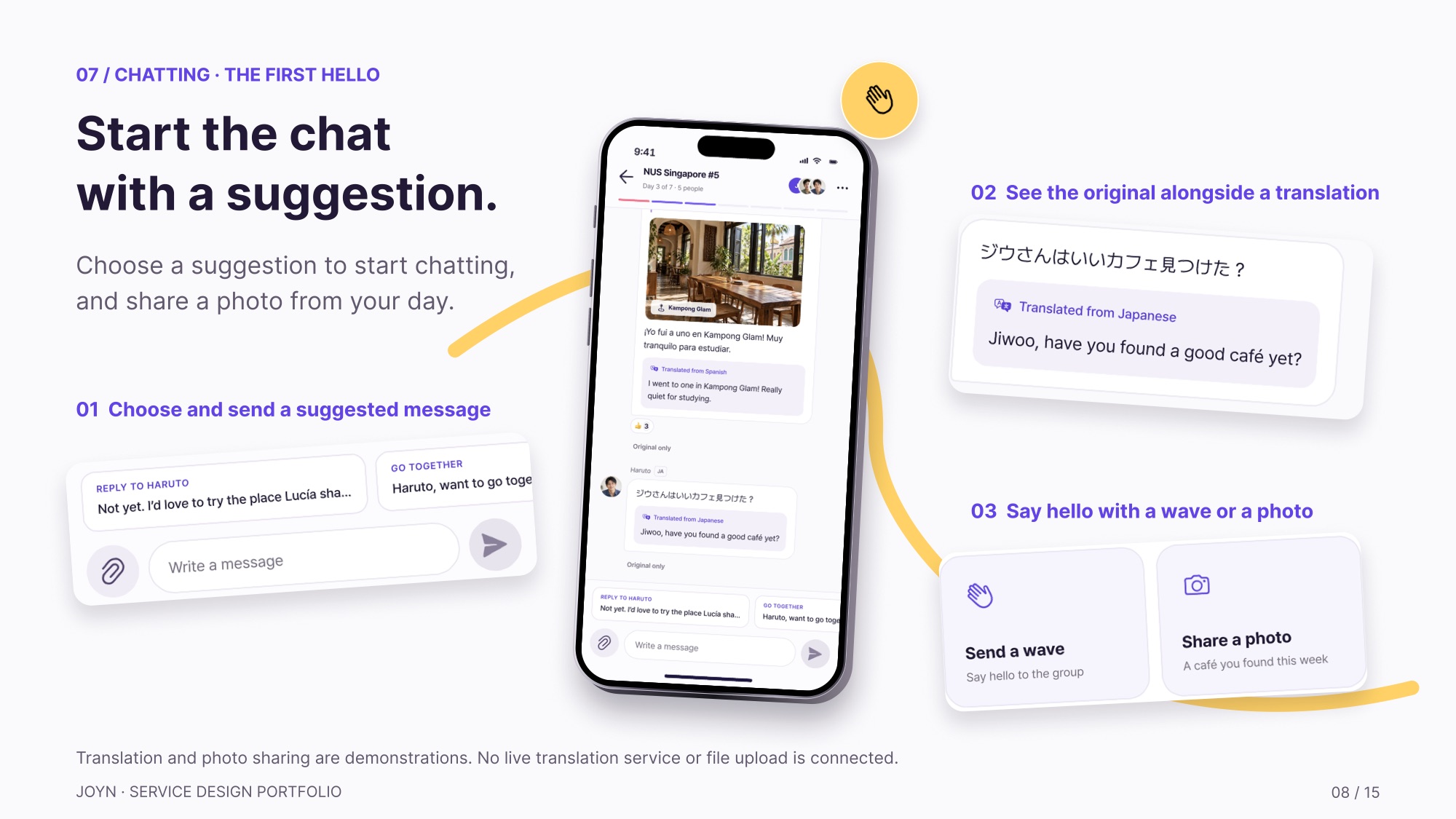
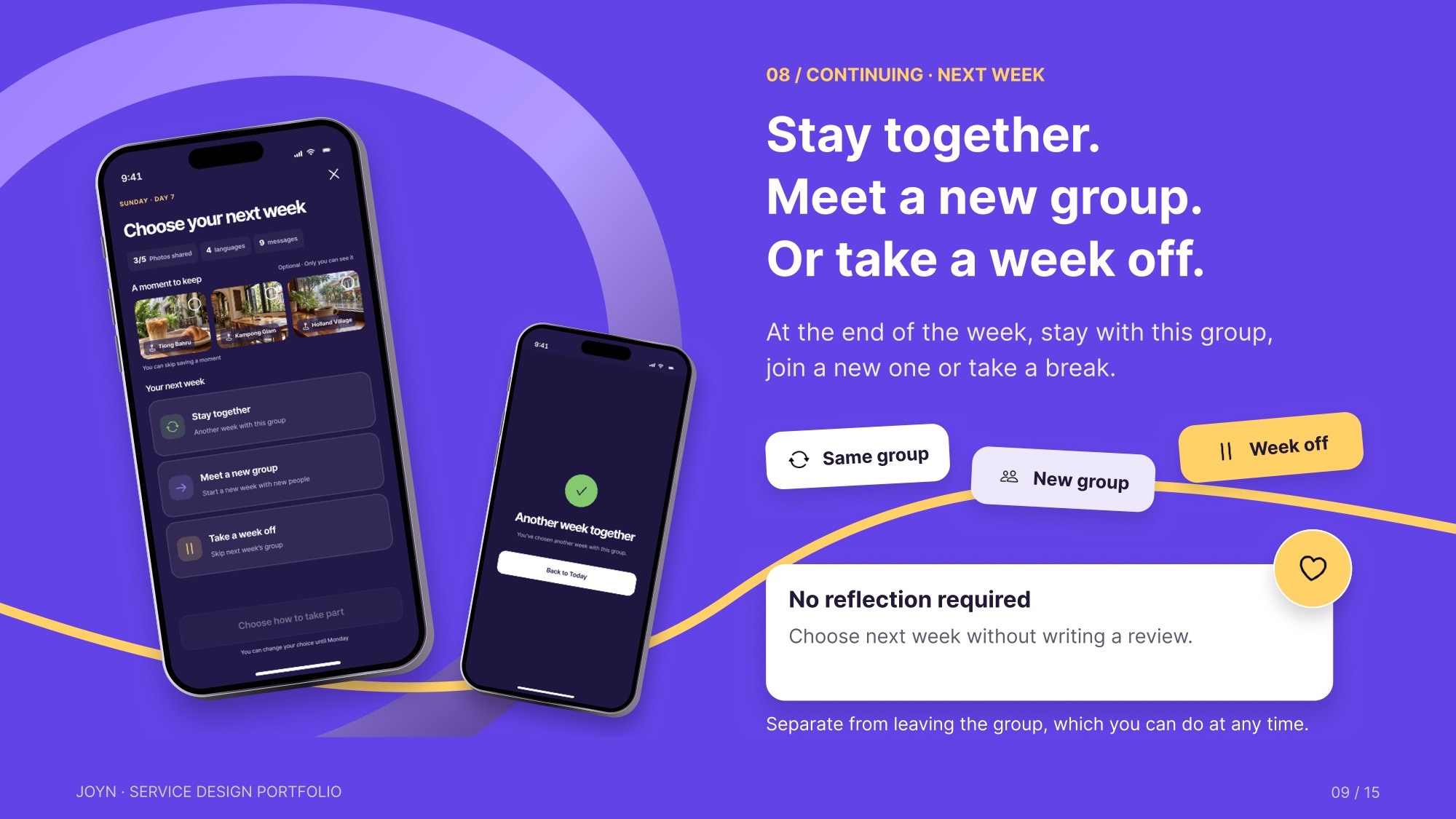
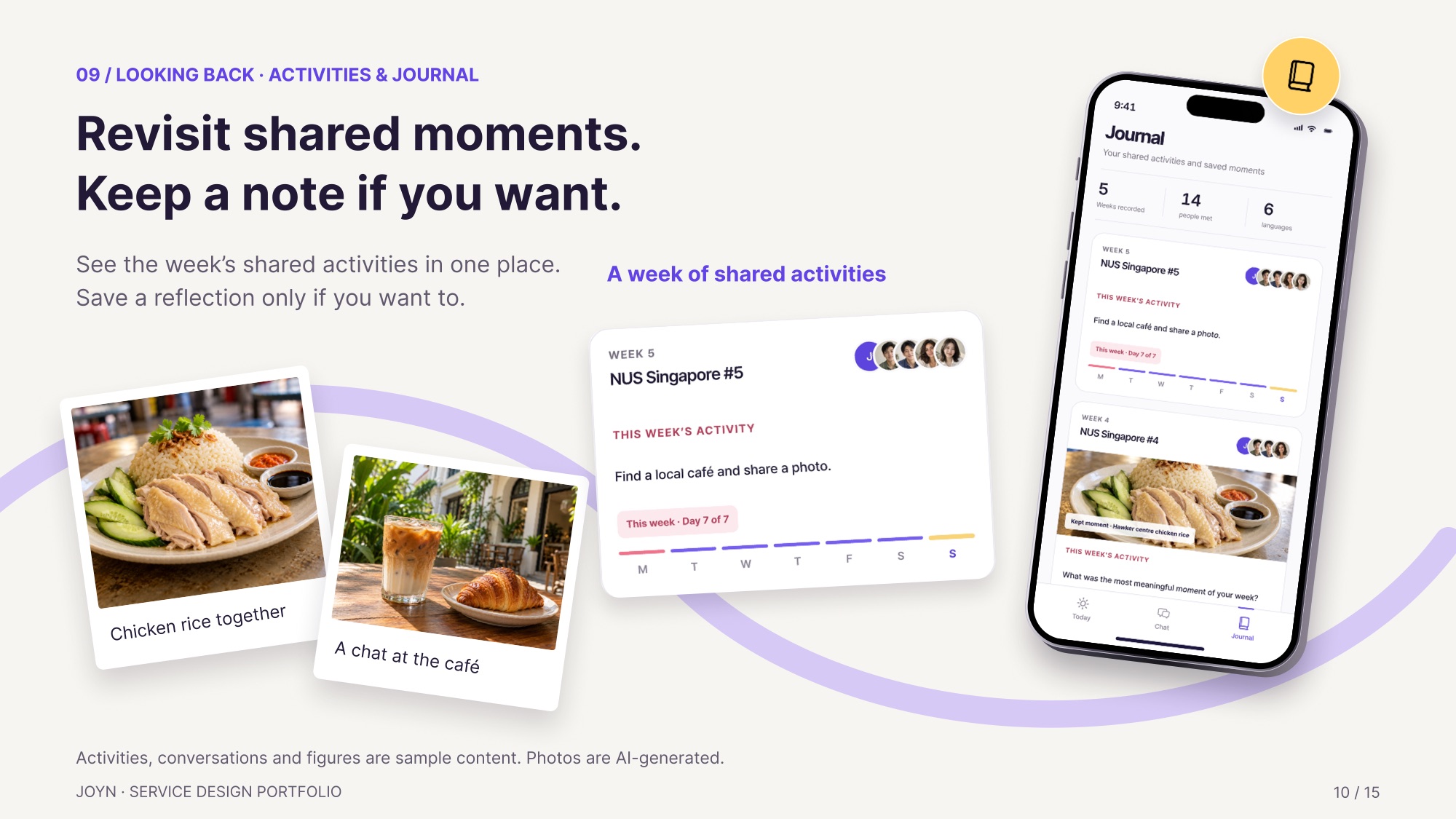
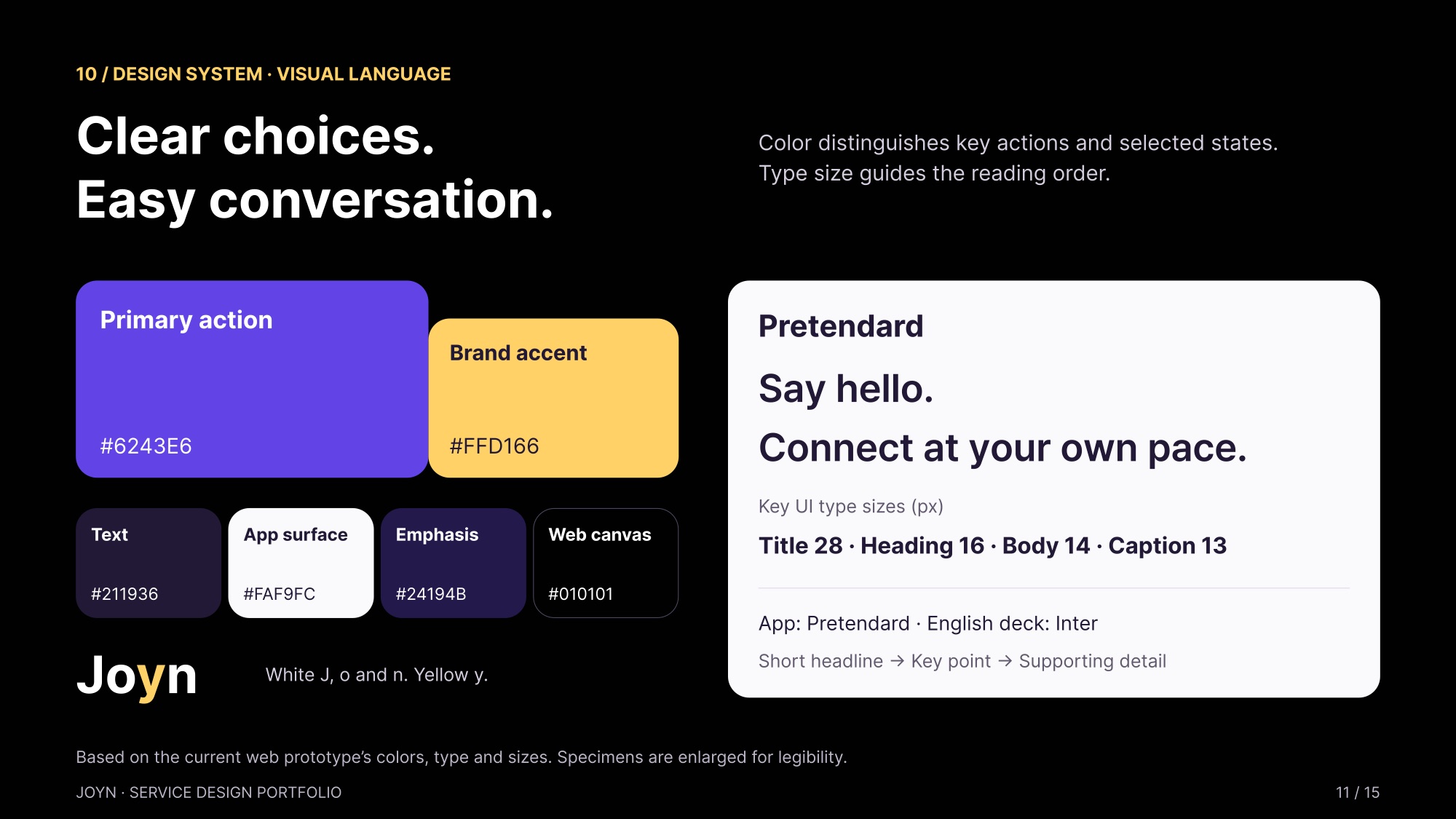
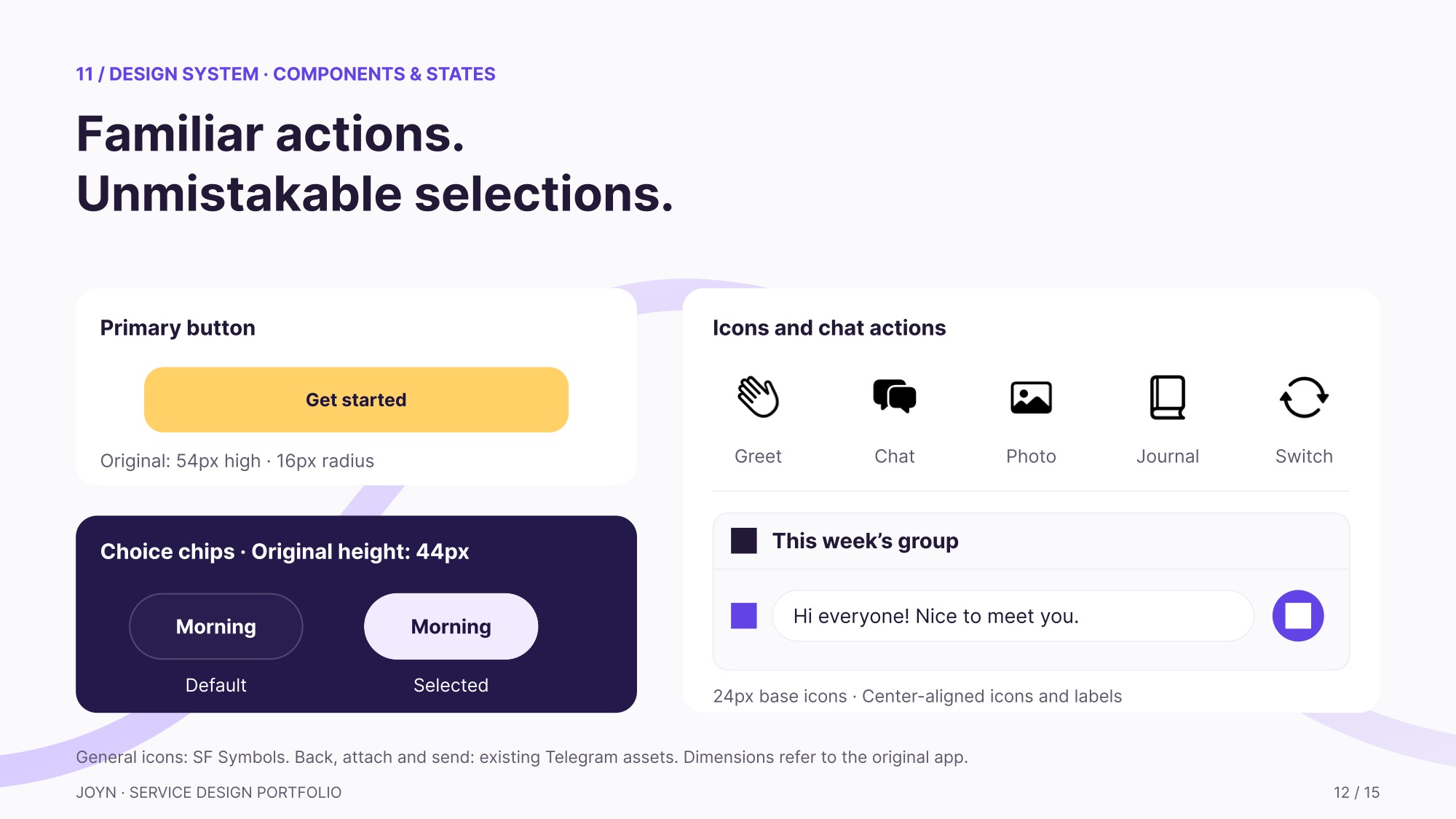
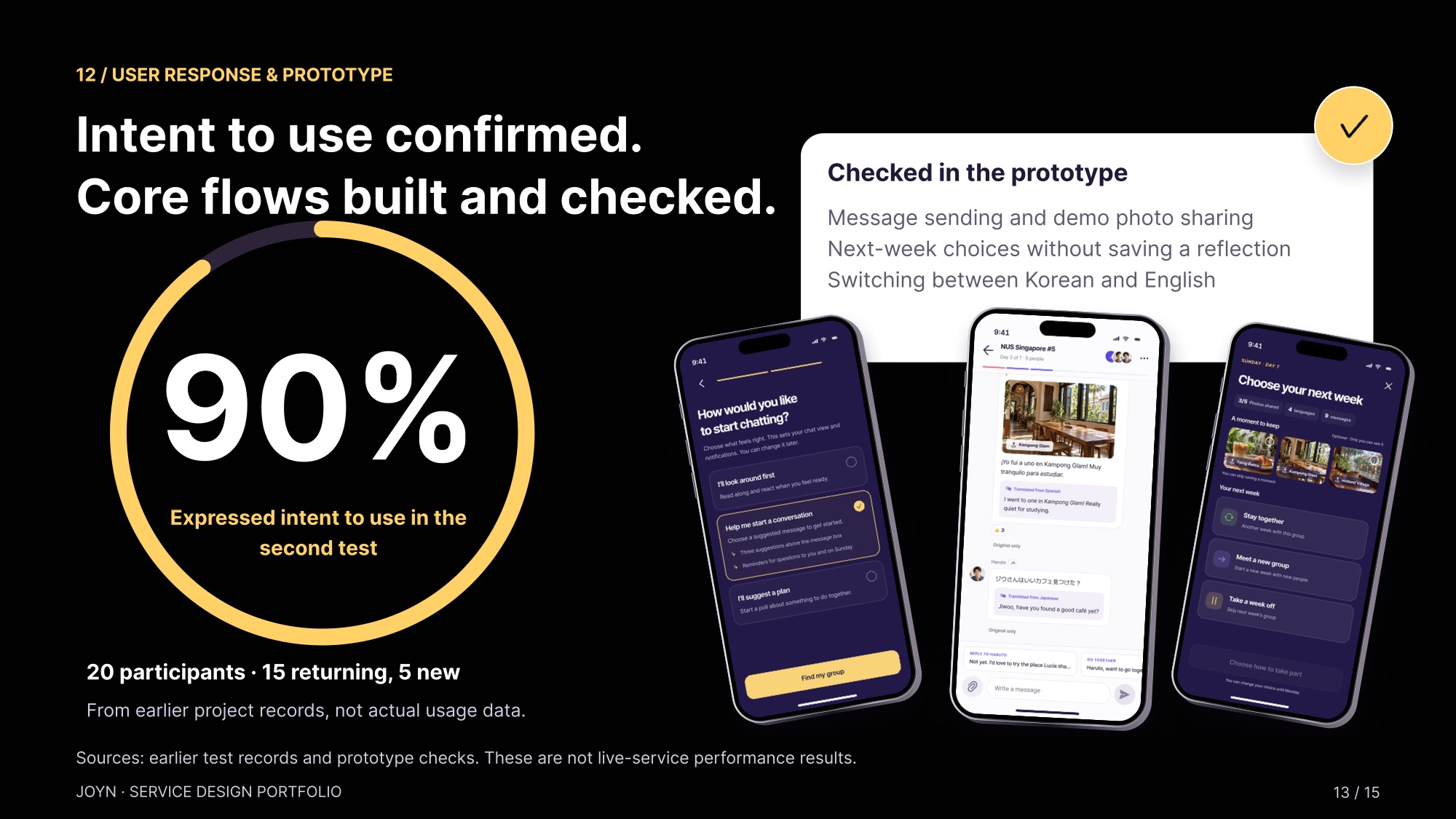
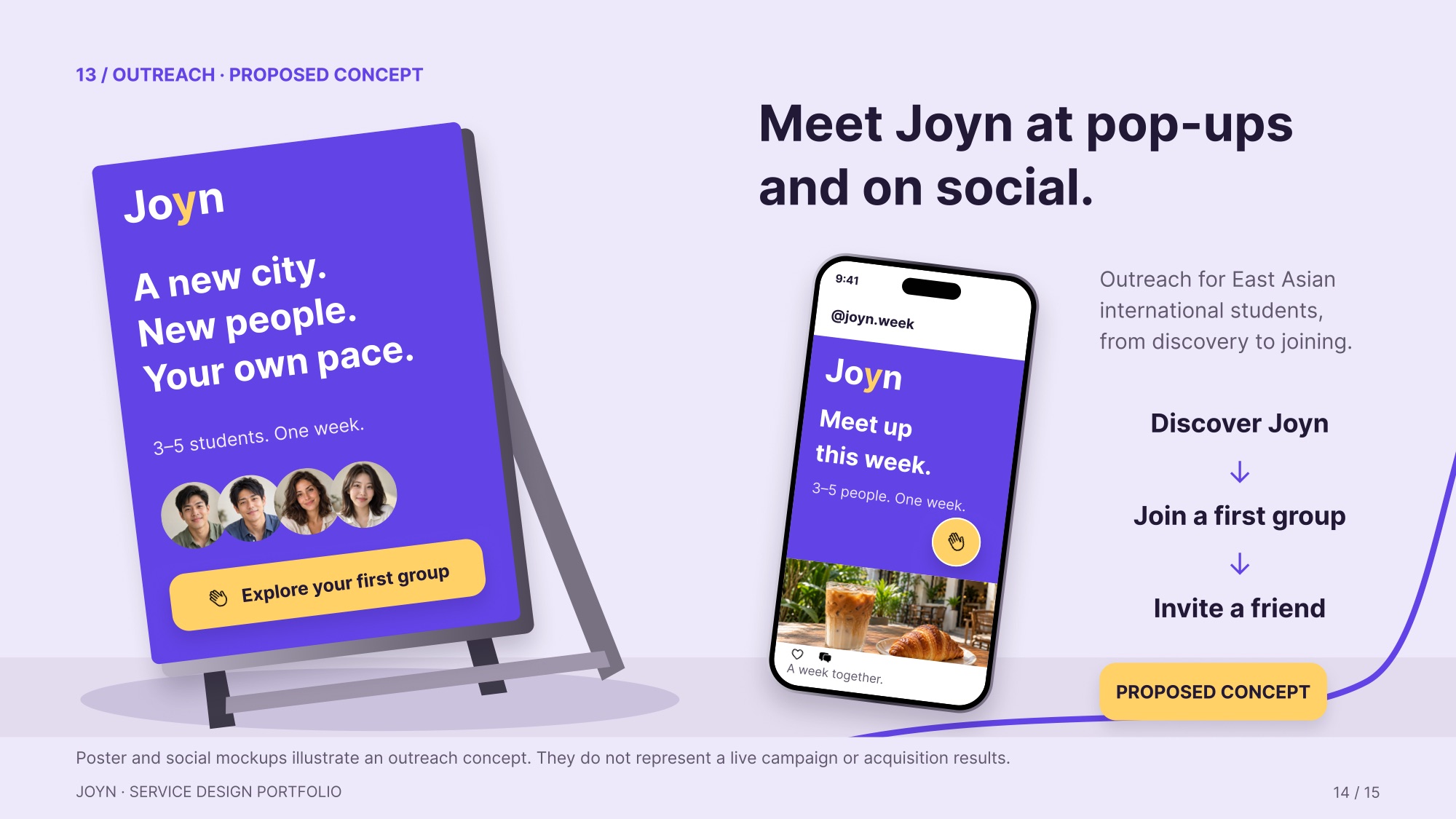
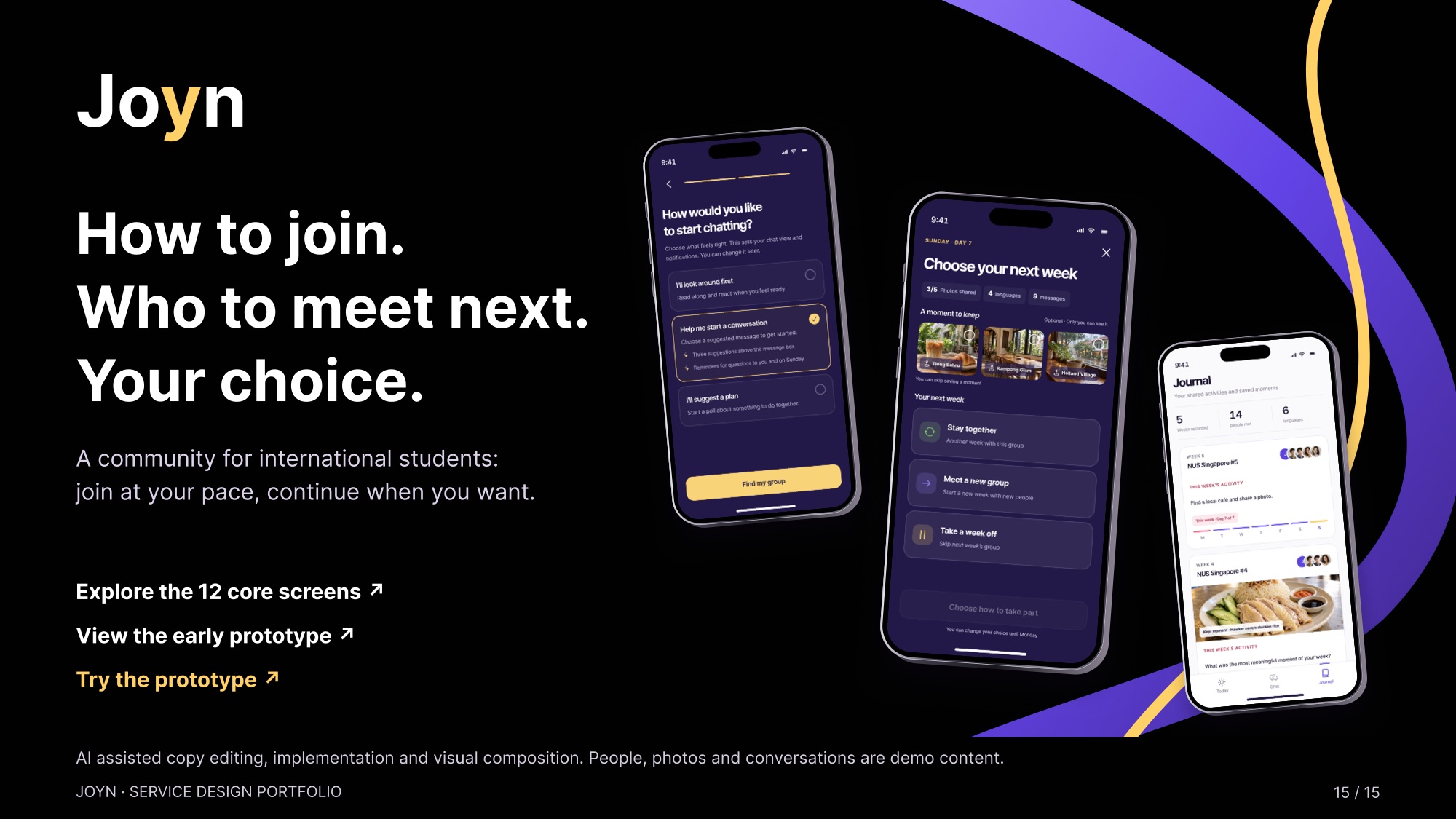
A community for international students: 3–5 people spend a week together, then choose what’s next.
-
2026 · Personal project
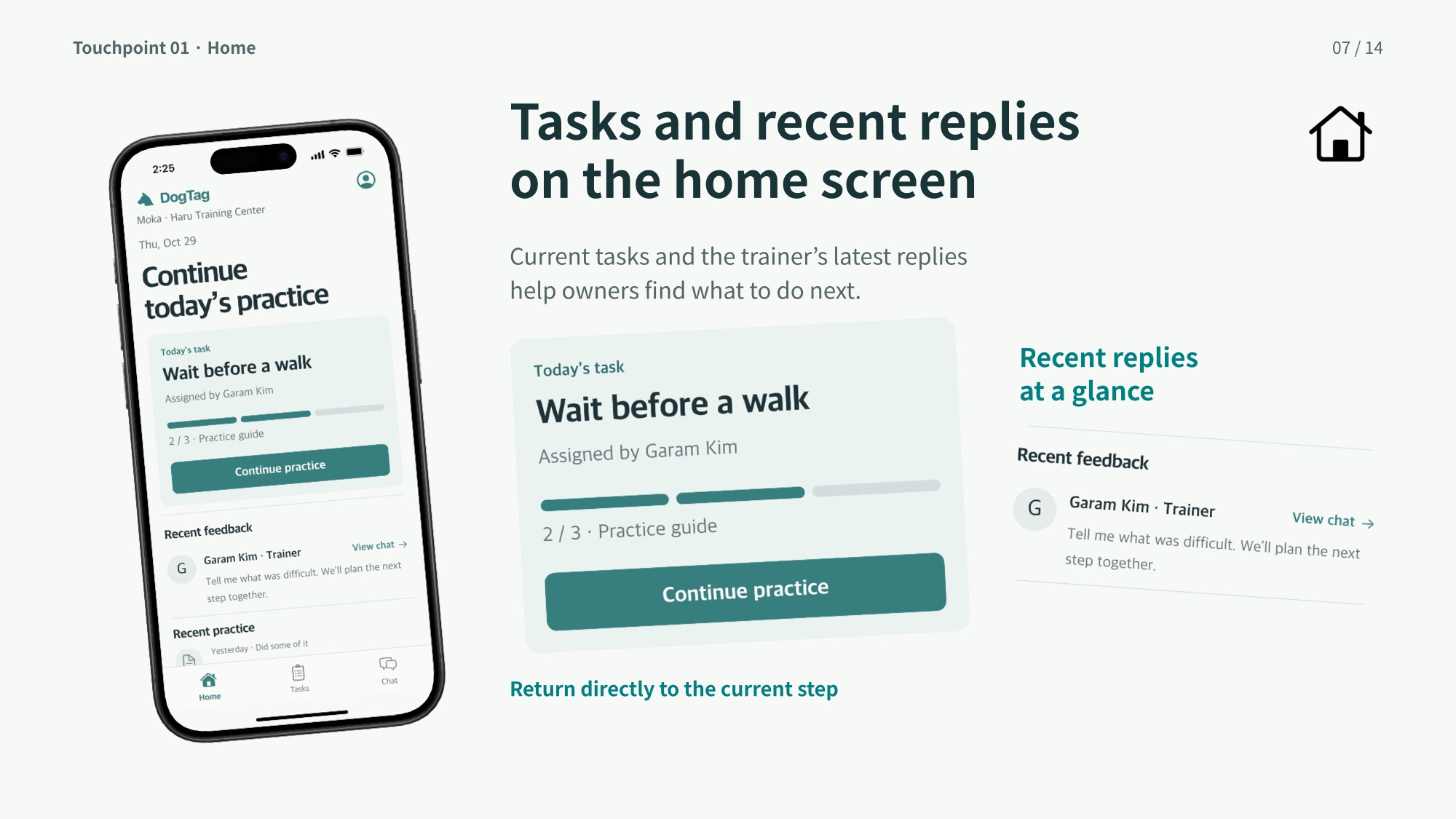
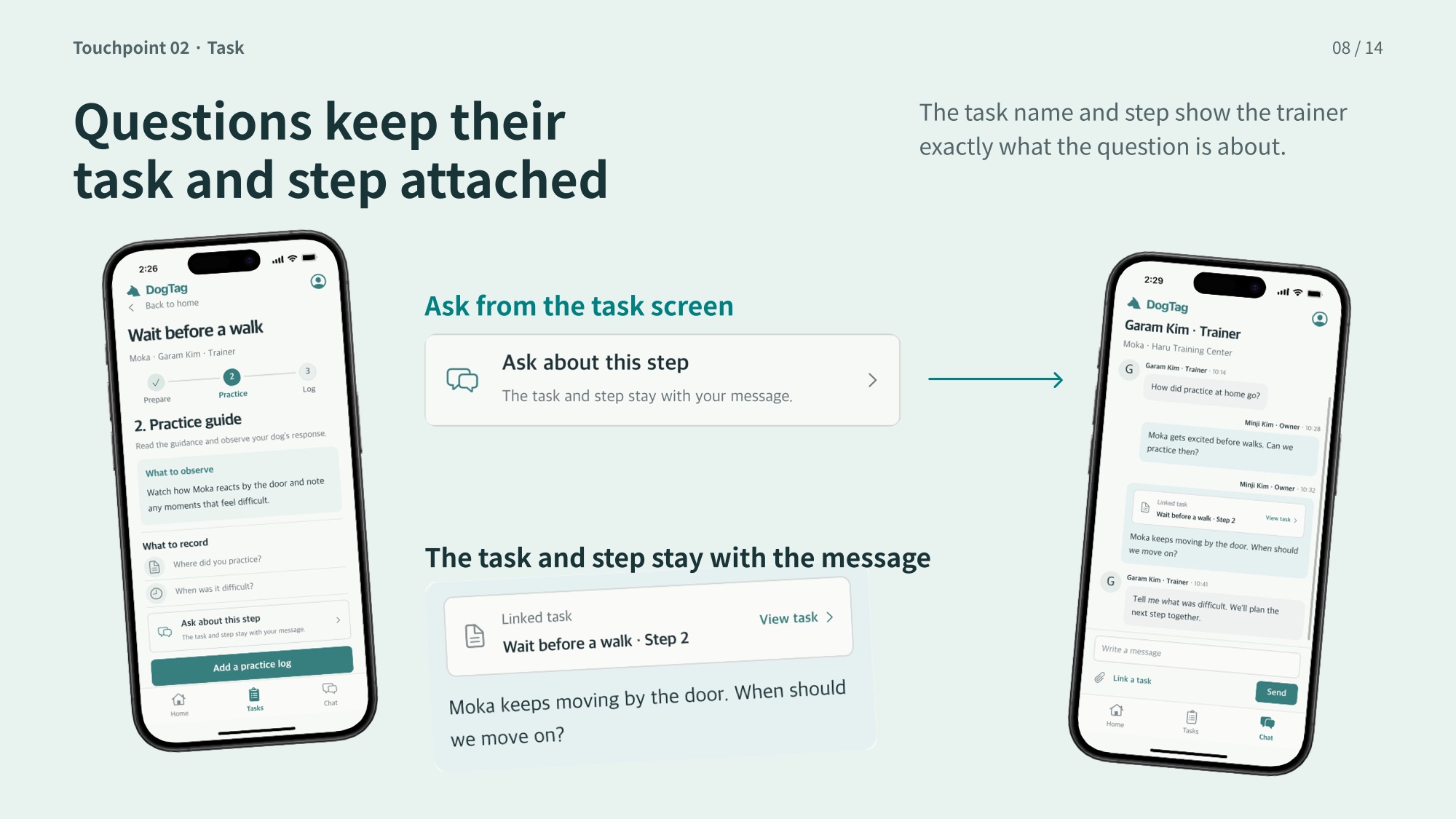
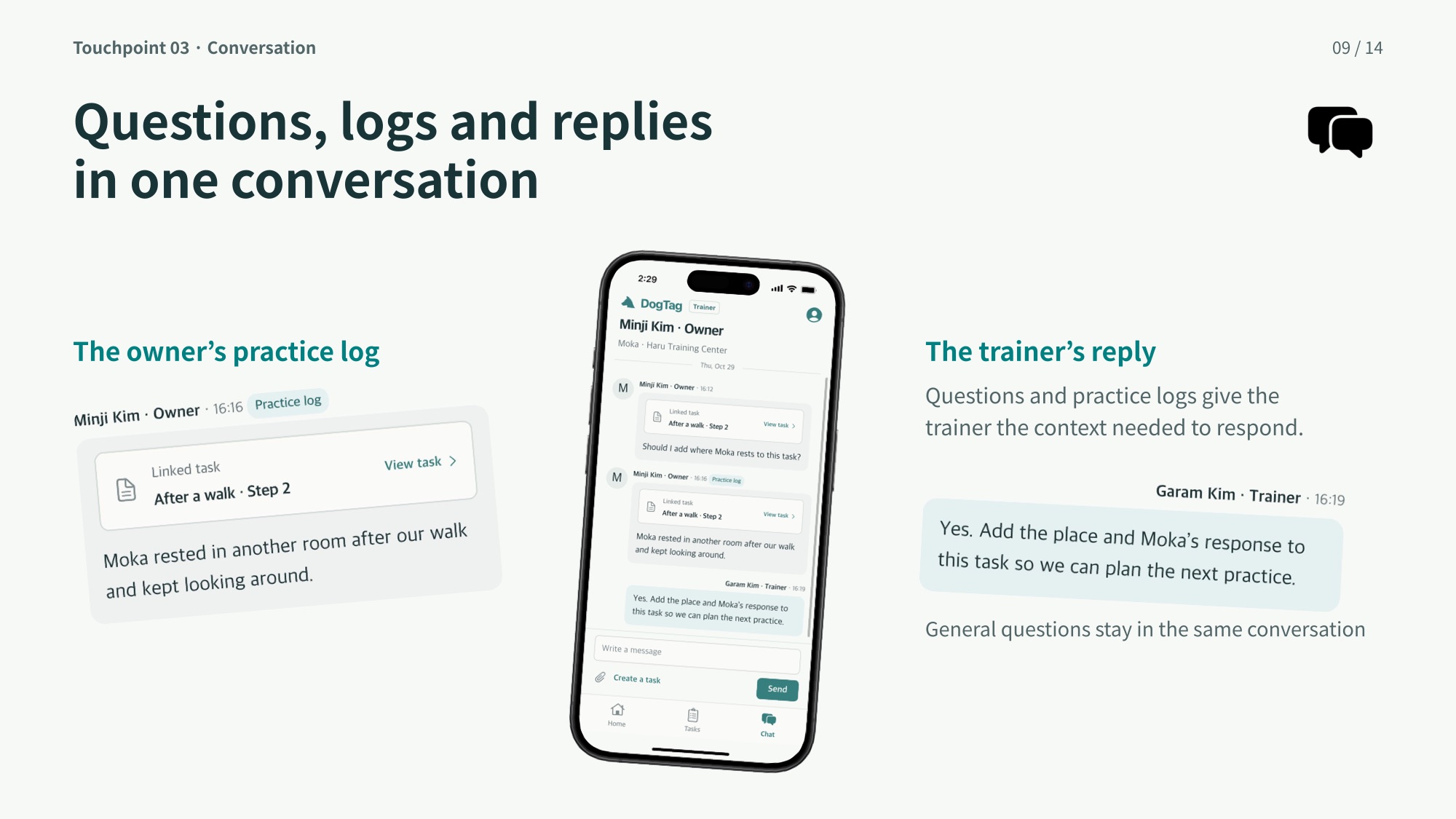
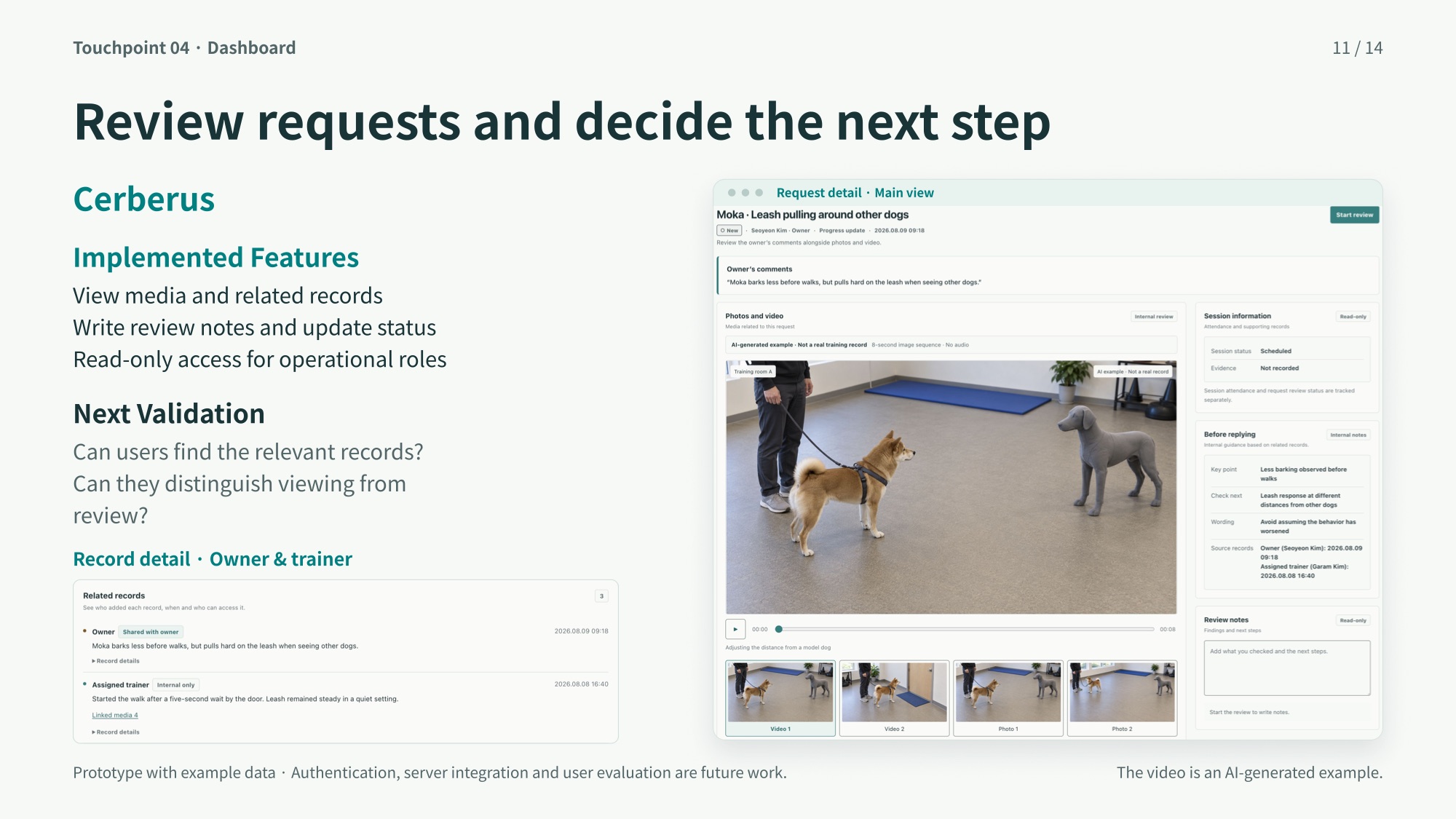
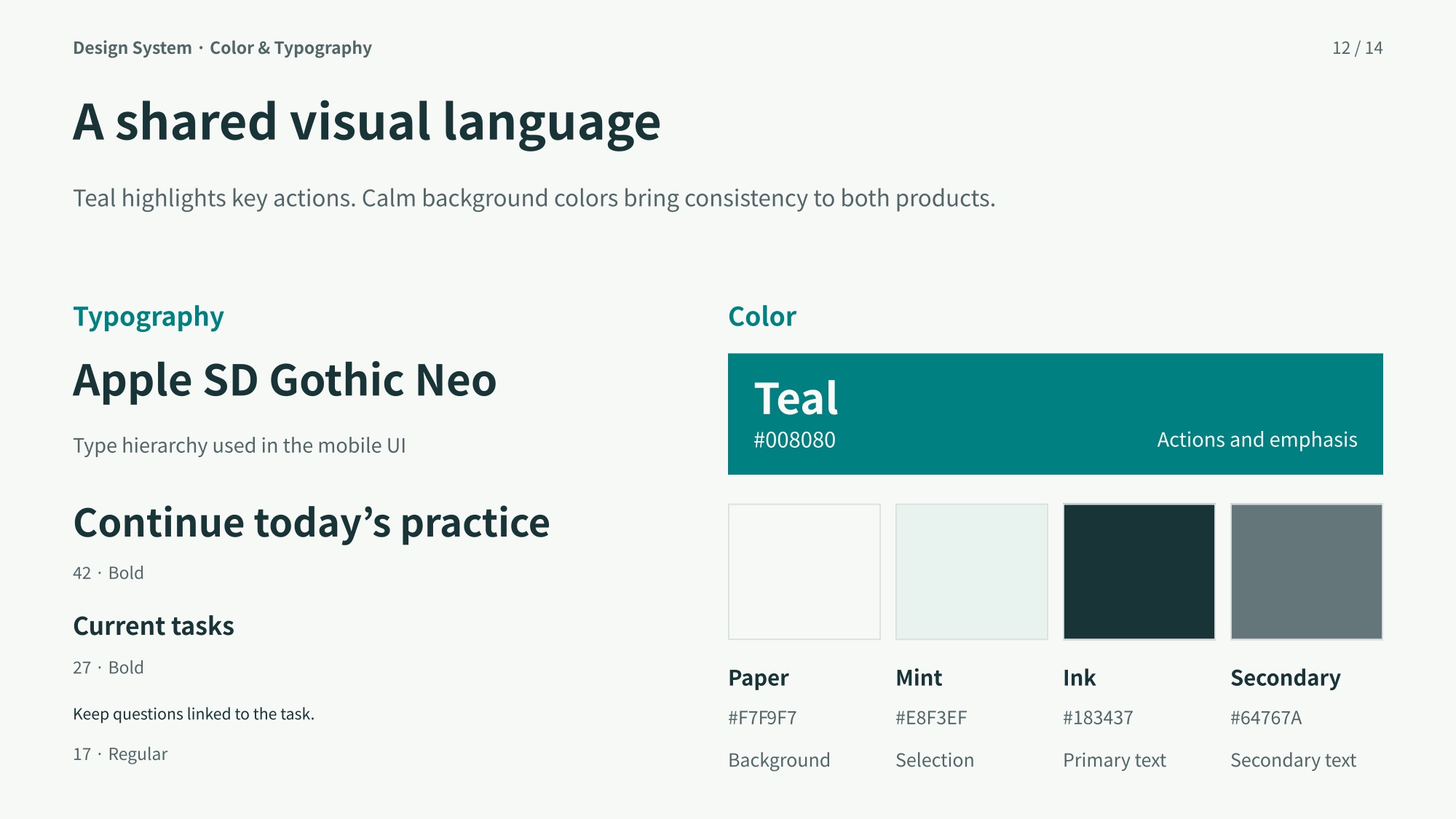
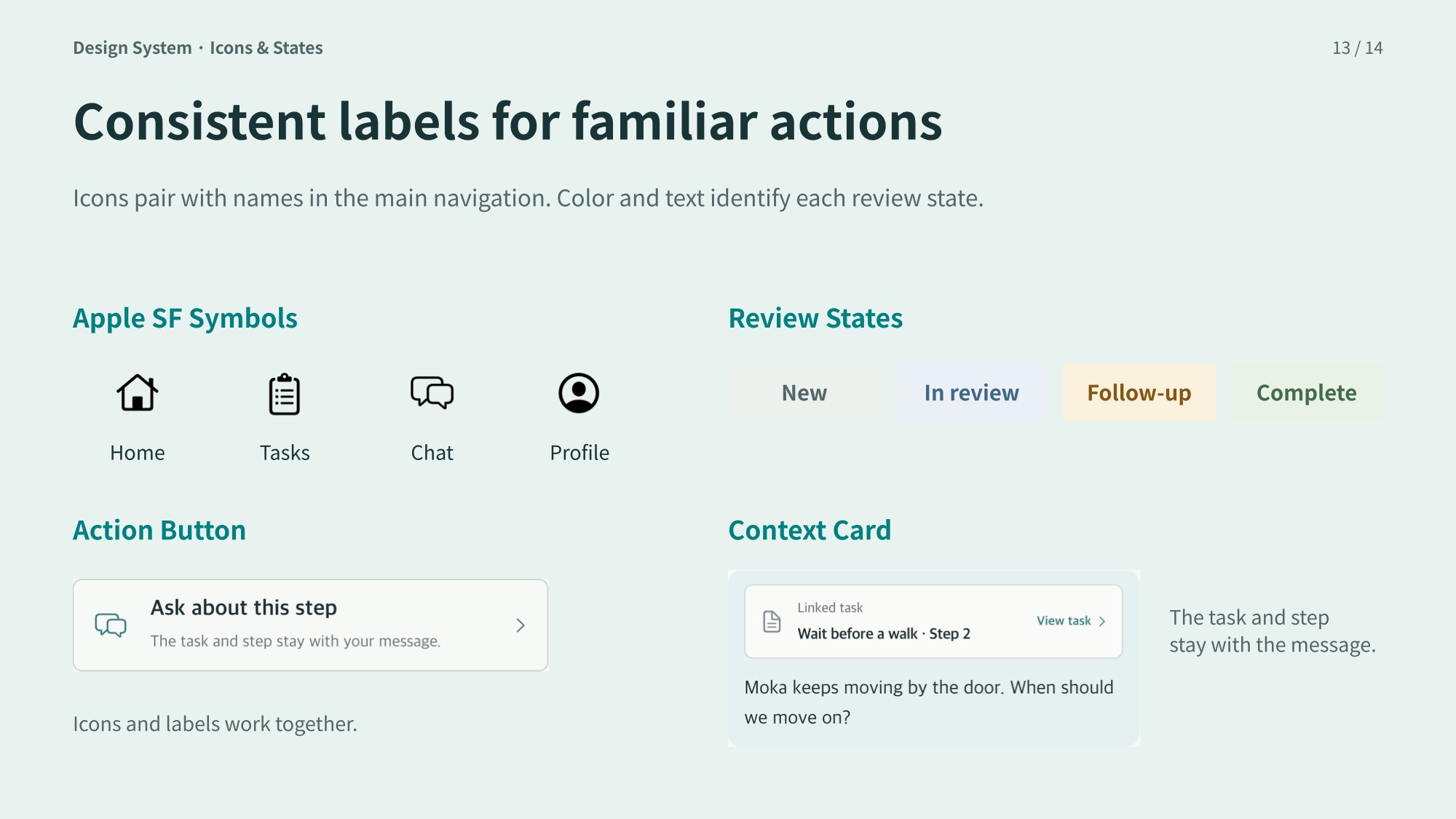
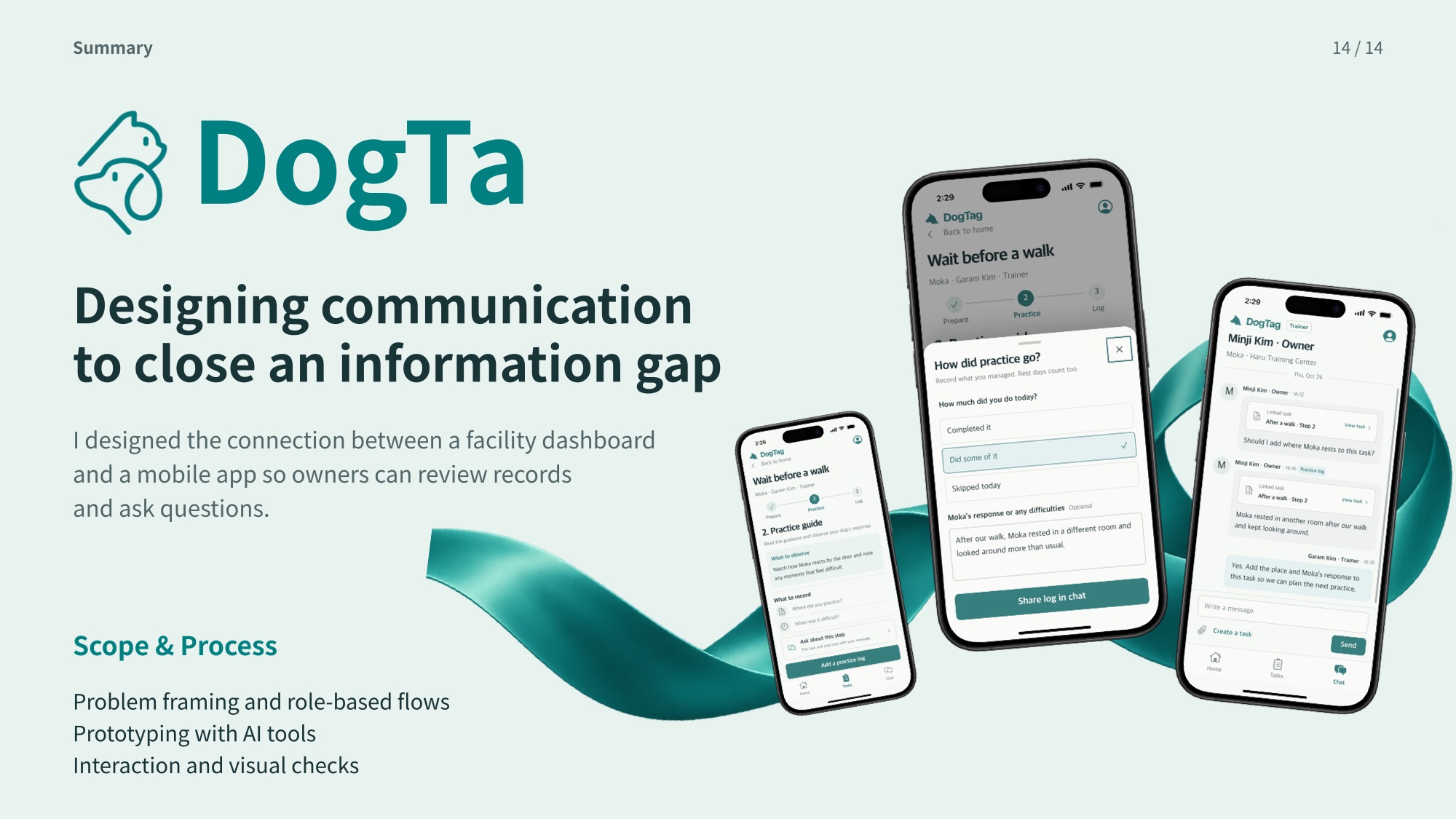
Dogta
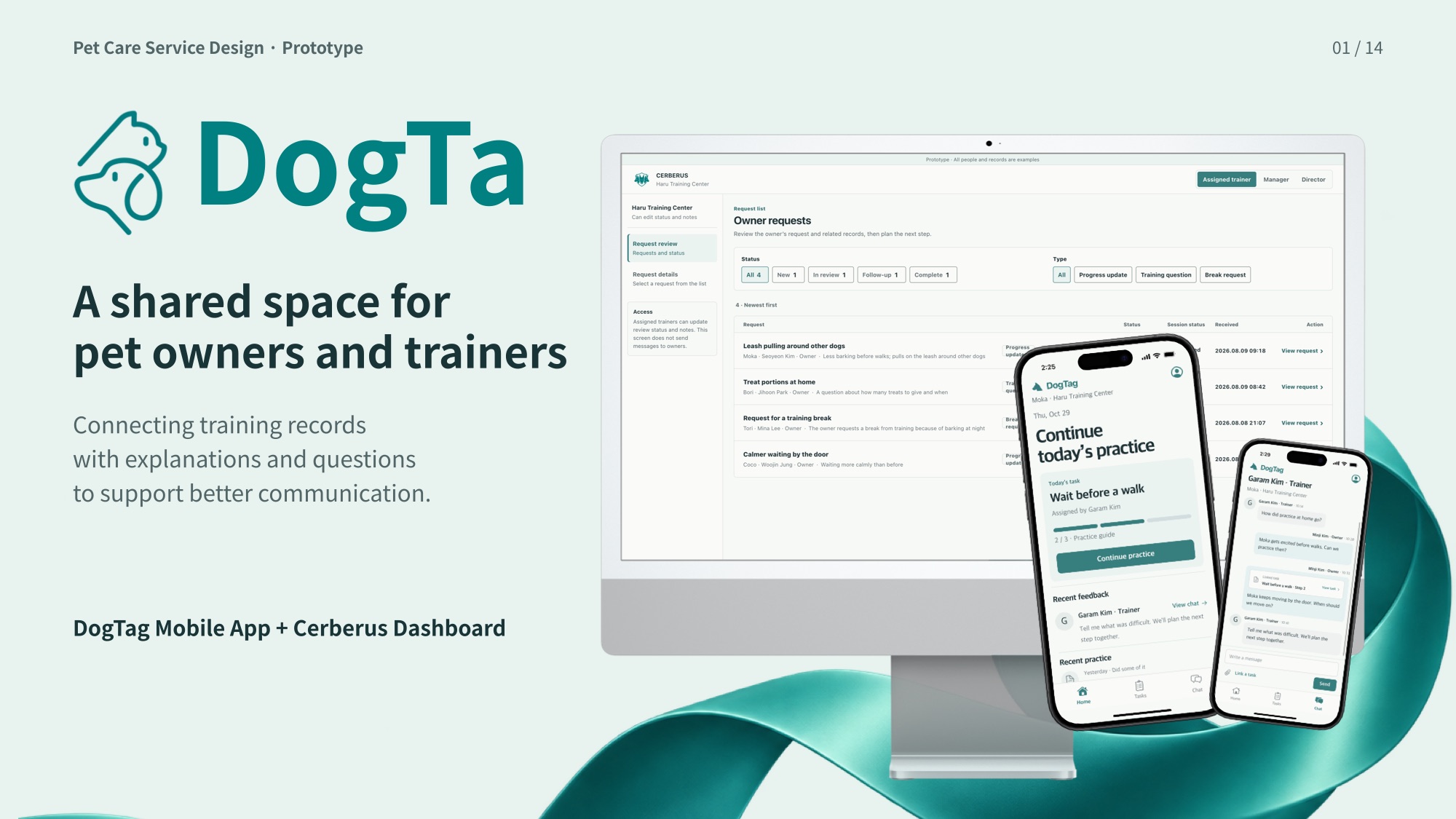
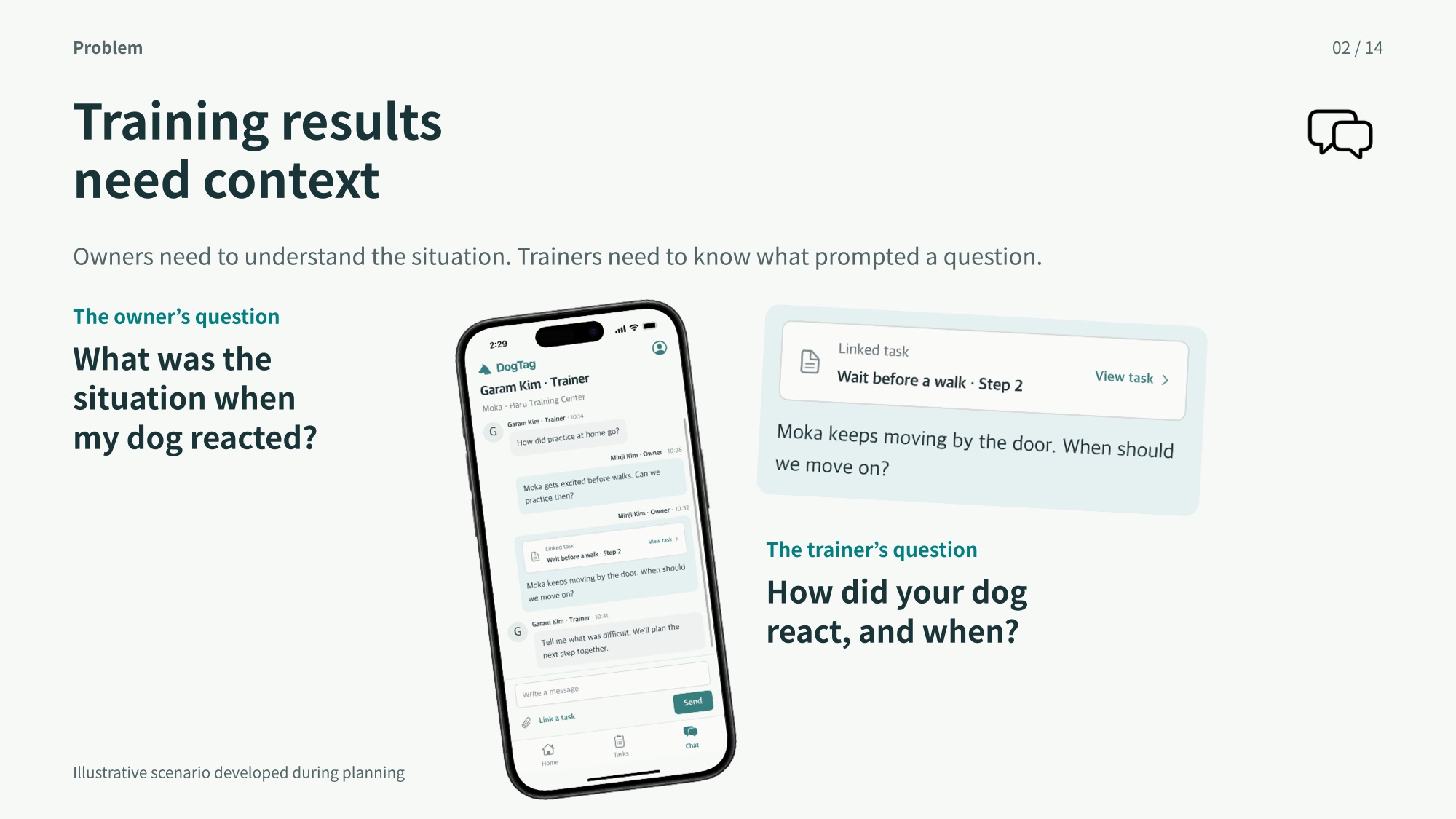
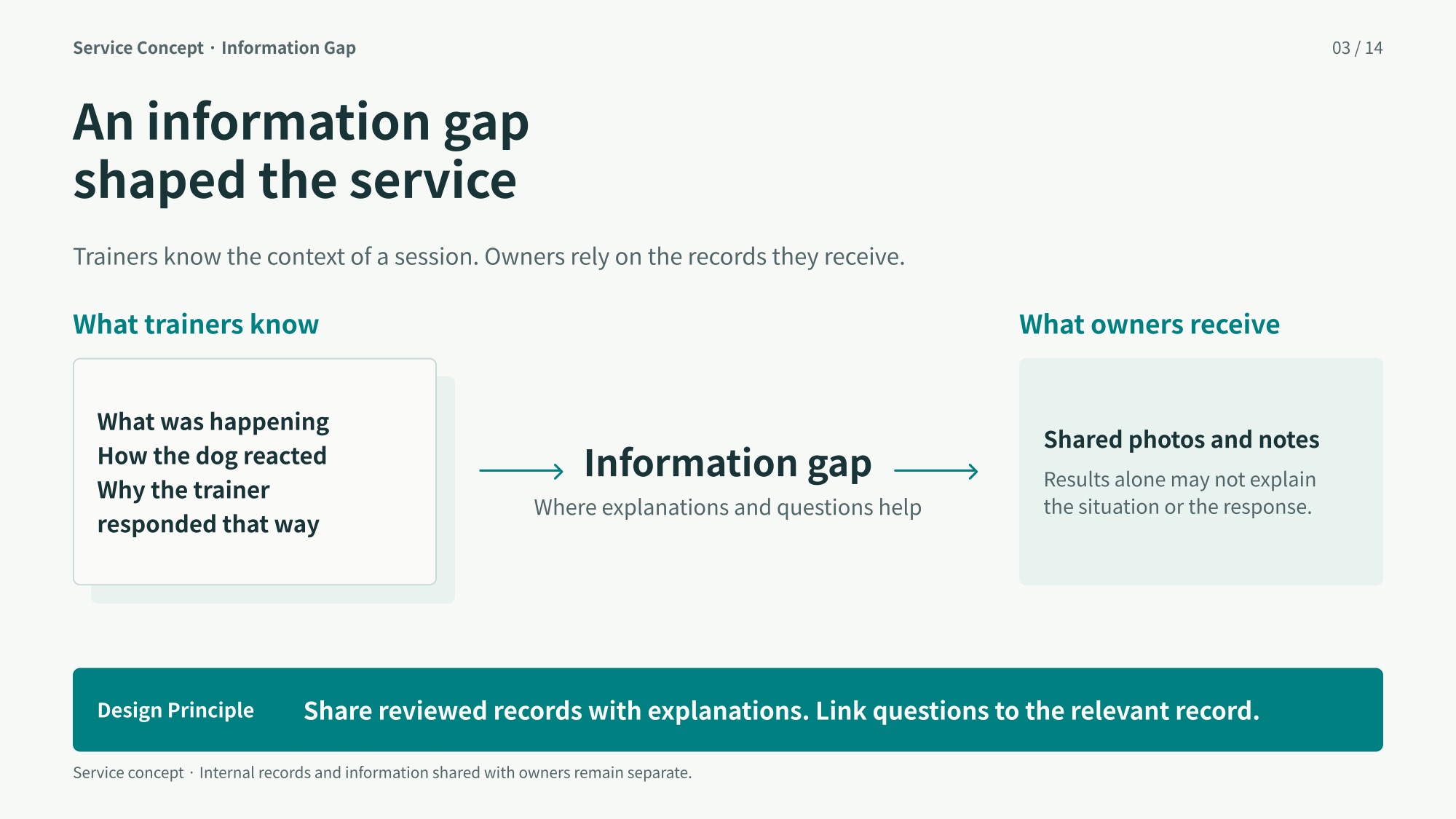
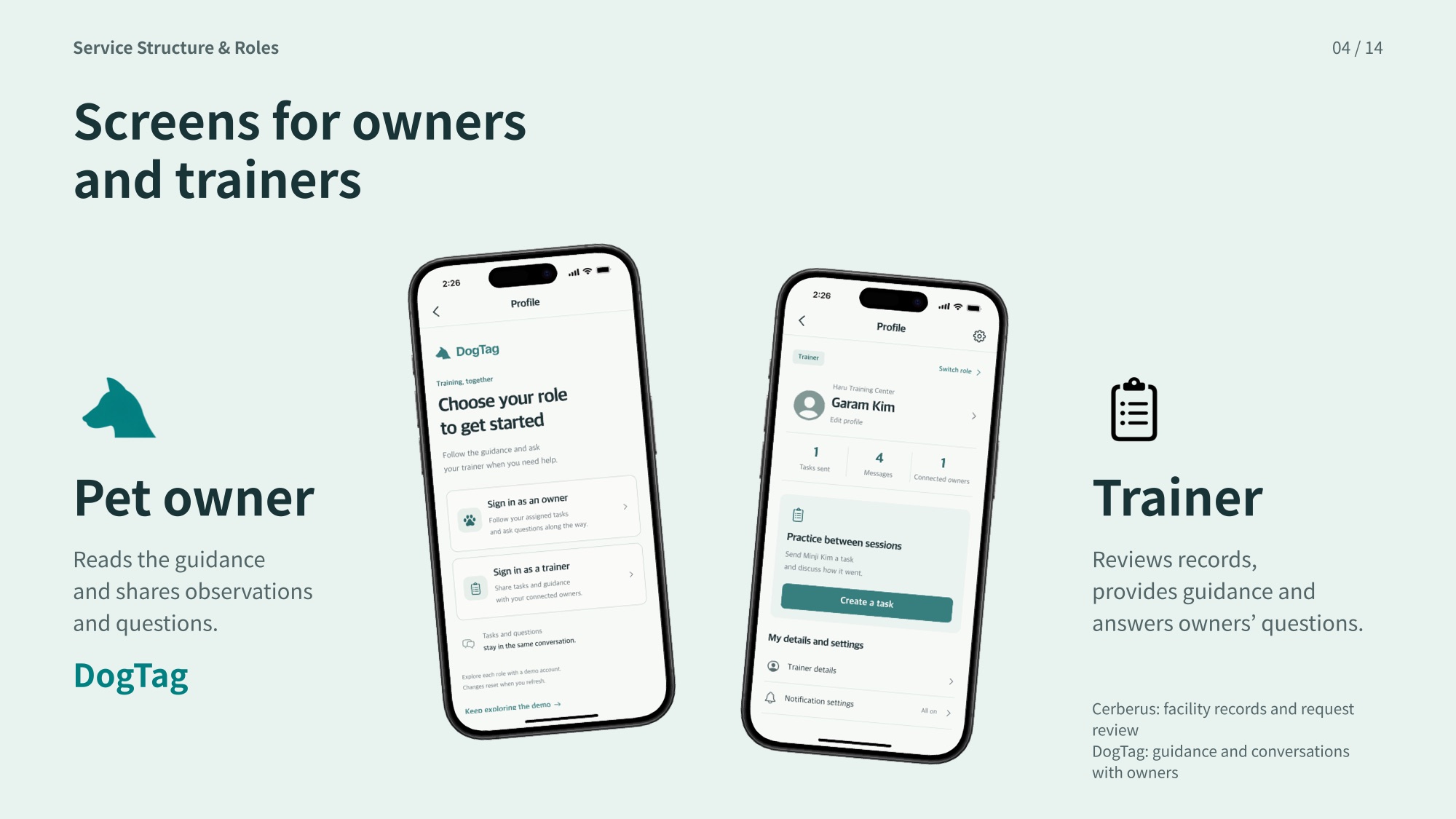
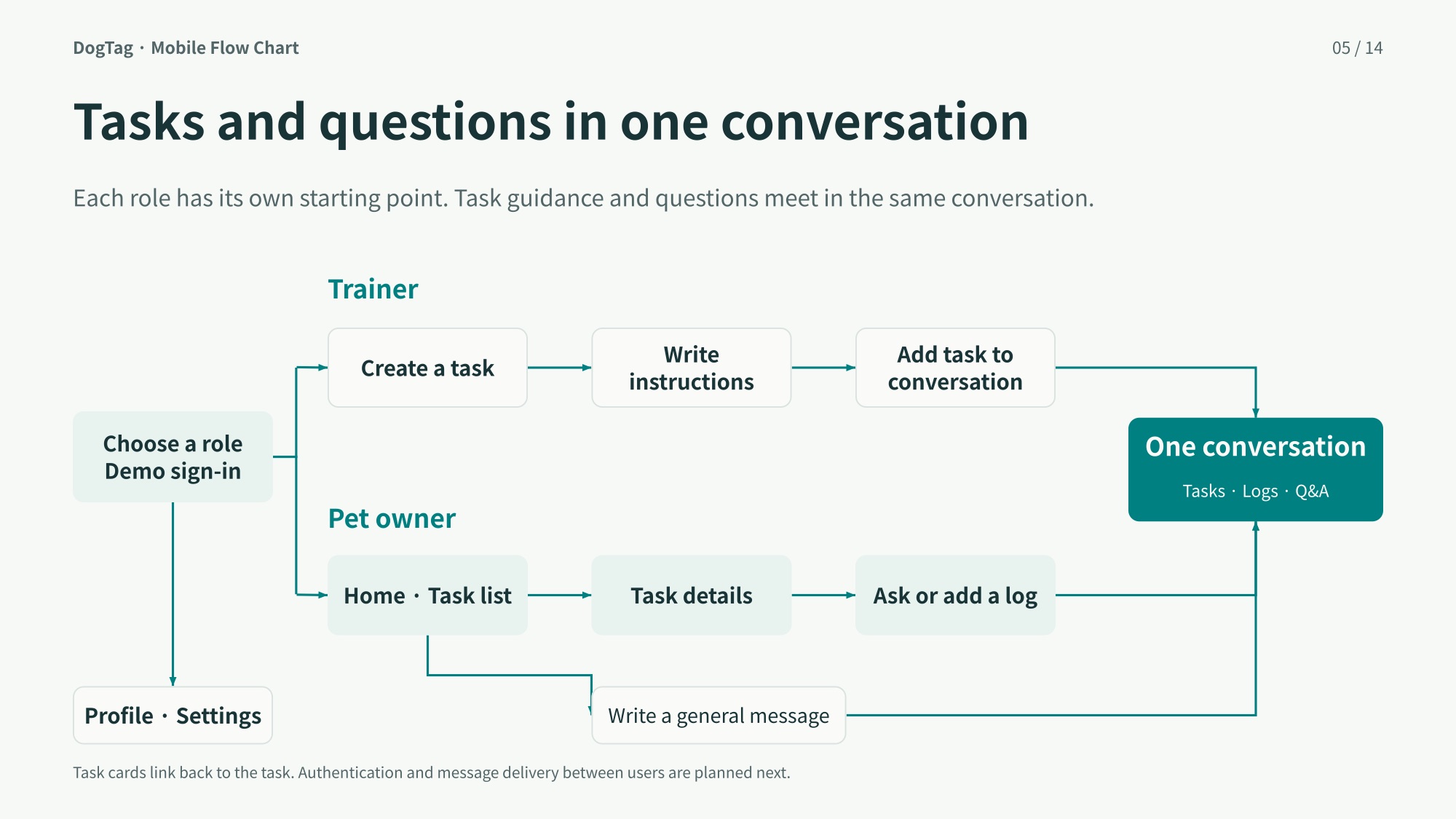
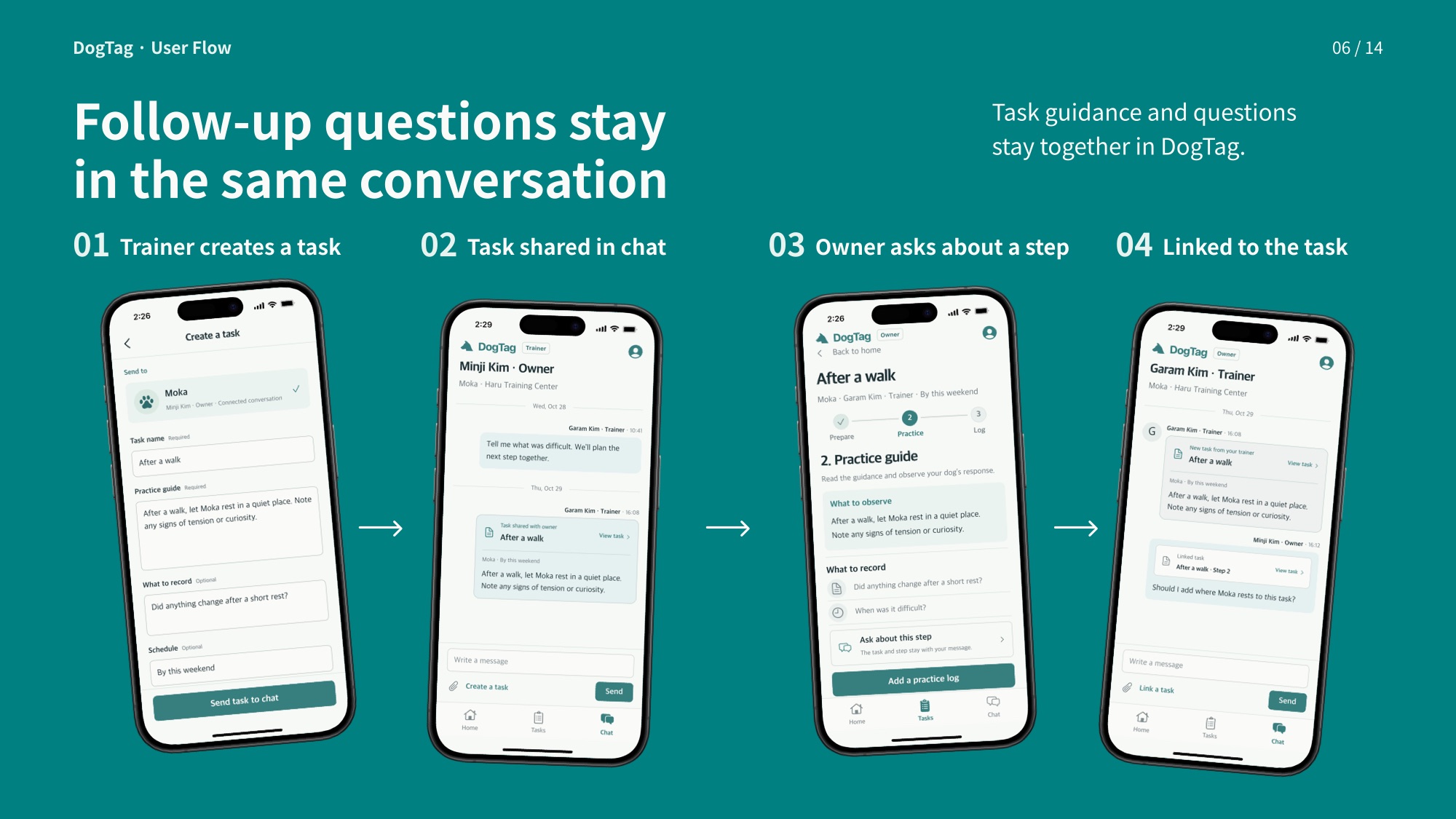
A shared space for pet owners and trainers that connects training records with explanations and questions.
-
Routeree
Lorem auriosm is making so waiting a moment


How I Work
I built a system for working with AI agents, and I run my projects inside it.
I frame the problem and make the calls. Research, design and build run through the system stage by stage, and nothing moves to the next station without a review. Each agent has a defined role and hand-off criteria, and its output is checked separately by another agent. Facts and hypotheses are recorded apart, so any decision can be traced back to why it was made.
-
AX
I design how AI fits into the work: who does what, how the output is checked, and the working manual.
-
Service & UX design
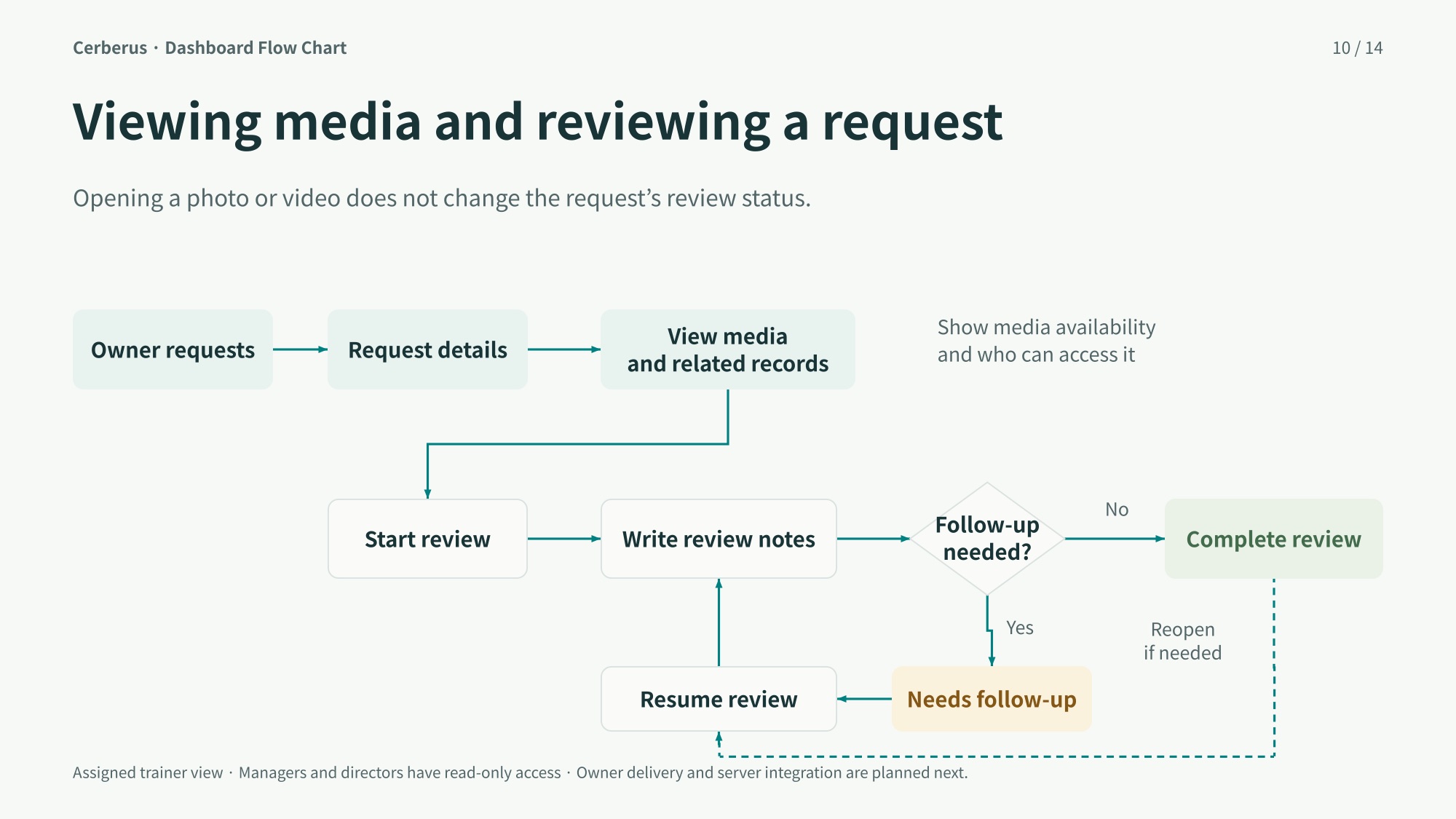
I design user journeys, operational flows and information architecture (IA).
-
Research & project operations
I define problems through research, then split scope, schedule and roles.
-
Communication
I create a service's visual language, along with explainer materials.
MMain Line
The line every project runs on, from understanding the problem to review.
- M1Problem Statement
- M2 · R1Research & Insight
- M3 · D1Design Opportunity
- M4Prototyping
- M5Critique & Loop
RResearch Line
Turns a brief into who we design for, and in what situation.
- M2 · R1
- R2Brief
- R3User Hypotheses
- R4Scenarios
- R5References
DDesign Line
Sets the direction, structure and rules the screens follow.
- M3 · D1
- D2Direction
- D3Structure
- D4Design System
- Interchange
- Where I make the call
- Shown
- Not shown
01 / 05
Problem Statement
Define who gets stuck, and in what situation, in a single sentence.
Rather than taking a brief at face value, I rewrite it as one problem statement covering the user, the context and the friction. I also set what is in and out of scope, so every later research and design decision is measured against the same line.
02 / 05
Research & Insight
Separate verified facts from hypotheses, so research can support decisions.
I document findings from user interviews, literature and reference analysis together with their sources. Recurring behaviours and pain points are clustered into insights, and anything still unverified is flagged as a hypothesis to test in the next stage.
03 / 05
Design Opportunity
Choose the opportunities worth pursuing, and design the flow before the screens.
From the insights, I select the points with the most user value and feasibility and frame them as design opportunities. Journey maps and service blueprints set the order in which people, operations and systems connect, and information architecture defines how the screens link together.
04 / 05
Prototyping
Turn the key flow into screens people can click through and test.
I build the most important flow first, in Figma and in code, and use it hands-on to find where people get stuck. The visual language and component rules set along the way are organised into a design system, so the product can grow without losing consistency.
05 / 05
Critique & Loop
Review against agreed criteria, and feed the results into the next revision.
I review the outcome for usability, accessibility and feasibility, then get a second look from outside the work. Issues go back to the stage they came from, and every changed decision is recorded with its reason, setting the baseline for the next project.